How to Turn a Cabin Shed Into a Guest Room on a Budget
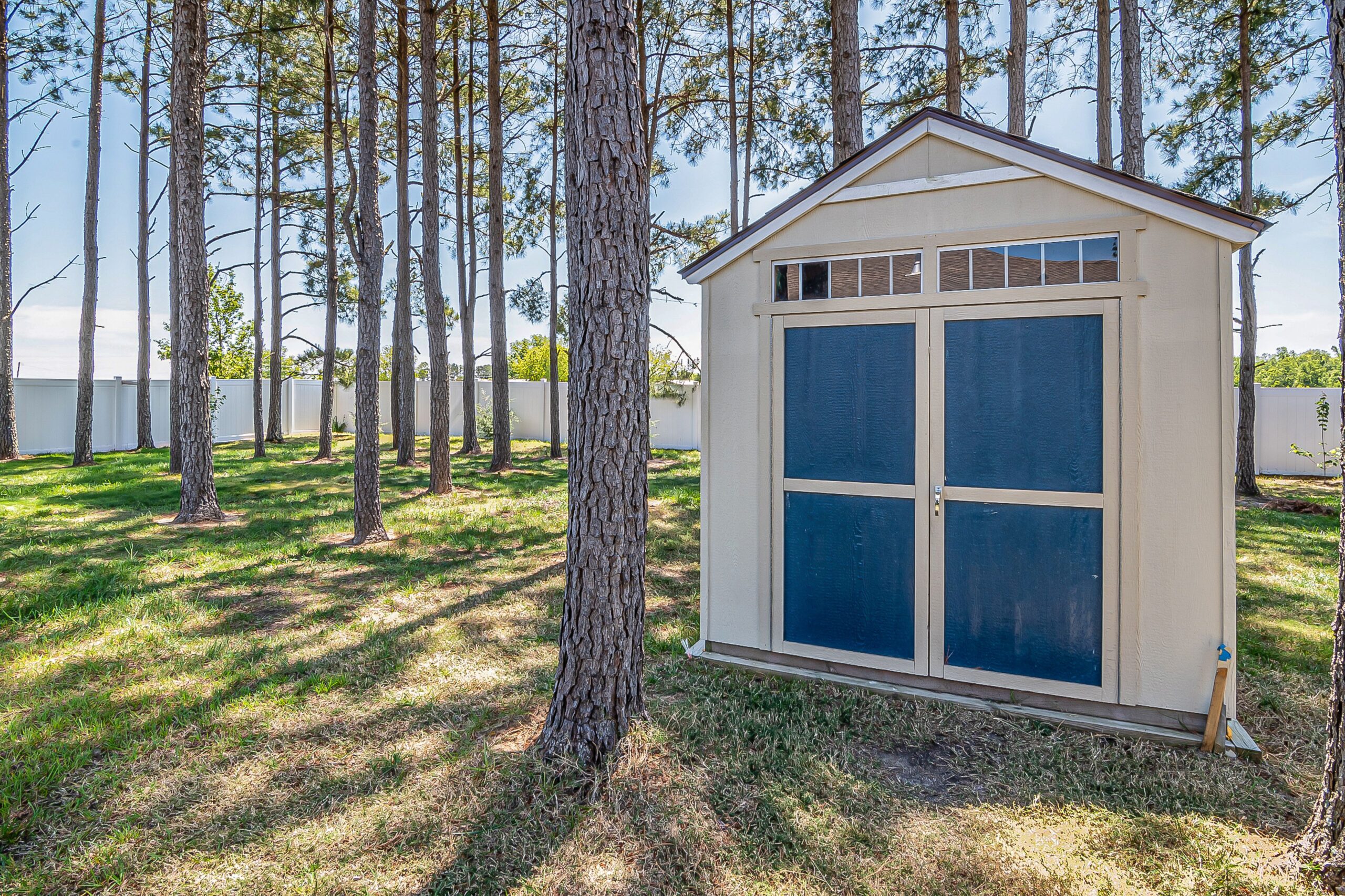
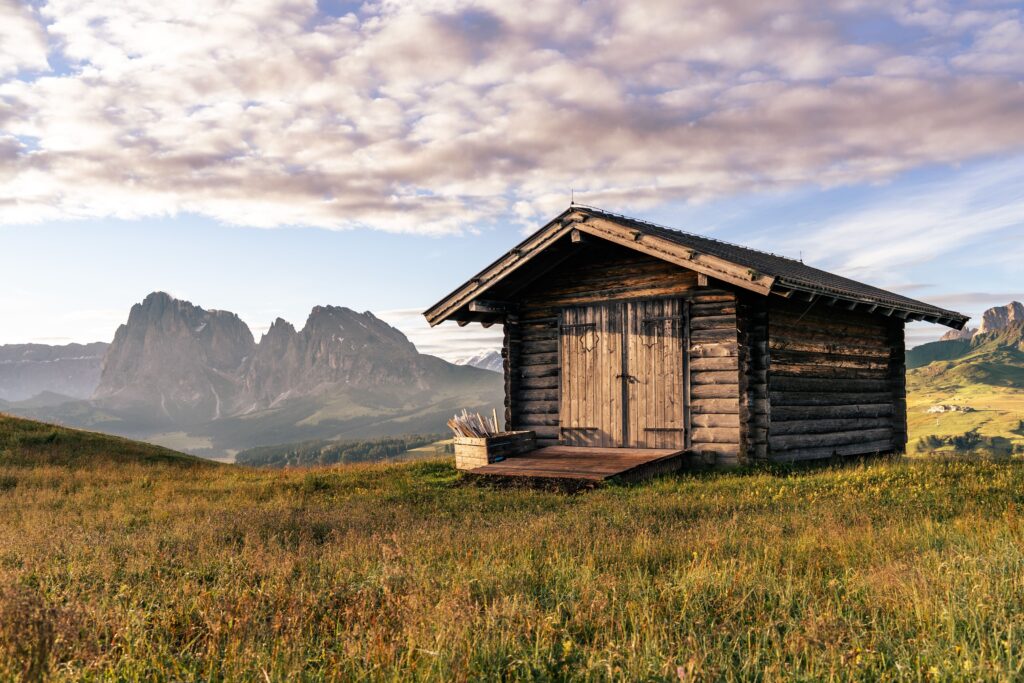
If you’ve been eyeing that extra structure sitting on your property and wondering whether it could pull double duty, you’re not alone. Cabin sheds have quietly become one of the most practical and affordable ways to create a guest space without going through a full home addition. Whether your in-laws are visiting for a week or you want a dedicated spot for friends who crash on weekends, converting a cabin shed into a cozy guest room is more doable than most people think, and it doesn’t have to cost a fortune.
This guide walks through the process step by step, with a focus on keeping costs reasonable while still creating a space your guests will actually enjoy staying in.
Start With a Realistic Assessment
Before you spend a single dollar, walk through the shed and take an honest look at what you’re working with. Check the floor for soft spots or rot, inspect the walls for gaps or water damage, and look at the roof from the inside for any signs of leaking. These structural issues need to be addressed before anything cosmetic happens, because there’s no point in hanging curtains in a space that leaks every time it rains.
If the shed is in solid shape, you’re already ahead. If there’s minor damage, patch it up before moving forward. Major structural problems may push the budget higher than expected, so it’s worth knowing what you’re dealing with upfront.
Also take note of the dimensions. A 10×12 space is workable for a single guest. A 12×16 or larger gives you more flexibility, especially if you want to include a small seating area or a tiny bathroom down the line.
Insulation: The Most Important Investment You’ll Make
This is the step that separates a usable guest room from a box that’s freezing in winter and suffocating in summer. Insulation is non-negotiable if people are actually going to sleep in this space.
For walls, rigid foam board insulation is one of the most budget-friendly options. It’s easy to cut, simple to install, and performs well in smaller spaces. Spray foam is more effective at sealing gaps but costs more, so it’s best reserved for spots where air leaks are a real problem, like around windows and door frames.
For the ceiling, batt insulation works well if there’s enough depth between the ceiling joists. If the shed has a loft or sloped roof, rigid foam panels can be applied directly to the underside of the roof decking.
Don’t overlook the floor. Even if you’re planning to put down rugs, a vapor barrier beneath the flooring plus some rigid foam between the floor joists will make a noticeable difference in comfort.
Expect to spend anywhere from $200 to $600 on insulation depending on the size of the shed and what materials you choose.
Electrical: Know What You Actually Need
You don’t need a fully wired workshop setup to make a guest room functional. At minimum, guests need a couple of outlets for charging devices, some overhead lighting, and ideally a way to control the temperature.
If you’re handy and the shed is close to your main panel, running a dedicated circuit yourself can keep costs down. However, for anyone not experienced with electrical work, this is worth hiring out. A licensed electrician can run a circuit from your main panel to the shed for somewhere in the range of $300 to $700 depending on distance and local rates.
Once you have power, a small wall-mounted mini-split or a quality electric space heater with a thermostat will handle heating and cooling without taking up floor space. Mini-splits are more efficient and work in both directions (heating and cooling), but they cost more upfront. For a budget build, a well-placed space heater paired with a window AC unit gets the job done at a fraction of the cost.
Flooring That Feels Good Underfoot
Bare plywood or concrete isn’t exactly welcoming. Fortunately, flooring is one area where you can get a great result without spending much.
Peel-and-stick vinyl plank flooring has come a long way in recent years. It’s durable, moisture-resistant, and looks surprisingly good. A 10×12 space will run you around $80 to $150 in materials, and installation is a straightforward DIY project for most people.
Laminate is another solid option, especially if you want something that feels more like a traditional room. Just make sure the shed is properly insulated and vapor-protected before installing it, since laminate doesn’t tolerate moisture well.
Layering in a soft area rug under the bed pulls the room together and adds warmth without a big price tag.
Wall Finishing: Function First, Style Second
Once the insulation is in, you need to cover the walls. Drywall is the standard choice, but it’s heavier and more labor-intensive to install in a small shed. Shiplap or tongue-and-groove pine boards are popular alternatives that look great, install faster, and hold up well. They also lean into the cabin aesthetic, which works naturally in a space like this.
If budget is the priority, even painted OSB panels can look clean and modern when done right. Sand, prime, and use a semi-gloss paint in a light color to keep the space feeling open.
Speaking of paint, don’t underestimate how much it changes a room. A warm white or soft sage can make a small space feel calm and inviting rather than cramped.
Furniture: Keep It Simple and Multi-Functional
A guest room doesn’t need much. A comfortable bed, a small nightstand, a lamp, and some storage are all most guests require for a short stay.
For a budget build, a full-size bed with a quality mattress is the top priority. You can find decent platform bed frames for under $150, and a good memory foam mattress doesn’t have to cost more than $300 to $400 if you shop around. Your guests will forgive a lot if they sleep well.
A small dresser or open shelving unit gives guests somewhere to put their things. Adding a few hooks near the door for bags and jackets is one of those low-cost touches that guests genuinely appreciate.
If space allows, a small folding chair or a simple bench at the foot of the bed adds a lot to the feel of the room without taking up much real estate.
The Finishing Touches That Make It Feel Like a Real Room
The difference between a shed with a bed in it and an actual guest room comes down to the details. These don’t have to be expensive, but they matter.
- Curtains or roman shades on the windows immediately make the space feel finished
- A small mirror on the wall opens up the room visually
- A bedside lamp with a warm bulb creates a welcoming atmosphere at night
- A small basket with a few essentials, like extra blankets, a phone charger, and some water bottles, shows guests you thought about their comfort
Good ventilation also makes a big difference. Even a simple ceiling fan or a small standing fan keeps the air moving and prevents that stuffy feeling that tends to build up in small enclosed spaces.
Estimated Total Budget Breakdown
Here’s a rough breakdown for a basic but comfortable cabin shed guest room conversion:
- Insulation: $200 to $600
- Electrical (circuit + outlets/lighting): $300 to $700
- Heating/cooling: $100 to $500
- Flooring: $80 to $200
- Wall finishing: $150 to $400
- Bed frame + mattress: $300 to $600
- Furniture + storage: $100 to $300
- Decor + finishing touches: $50 to $200
Total estimated range: $1,280 to $3,500
That range is wide because so much depends on what condition the shed is in to start with, how much work you DIY, and what materials you choose. Many people land in the $1,500 to $2,000 range for a clean, comfortable result. Compare that to the cost of a proper home addition, which easily runs $20,000 or more, and the value proposition becomes pretty clear.
A Few Things Worth Mentioning Before You Start
Check your local zoning regulations and HOA rules if applicable. Some areas have restrictions on converting outbuildings into habitable spaces, and the last thing you want is to finish a beautiful guest room only to be told it doesn’t meet code.
If you plan on guests staying for extended periods, adding even a simple half-bath with a toilet and small vanity takes the project to another level in terms of usability. That adds cost, but it also adds real value if you ever decide to sell.
Finally, take your time with the project. Rushing through insulation or electrical work tends to create problems that are expensive to fix later. A weekend conversion sounds appealing, but a project stretched over a few weekends done right will serve you far better in the long run.
Turning a cabin shed into a guest room is one of those projects that tends to pay off in ways you don’t fully anticipate. Guests have their own space, you don’t have to rearrange your home, and the property gains real functional value. With a reasonable budget and a clear plan, it’s entirely achievable for most homeowners willing to put in the effort.