How to Choose the Best Heating and Cooling System for Your San Diego Home
Choosing the right heating and cooling system is an important investment for any homeowner. A high-quality HVAC system not only keeps your home comfortable throughout the year but also improves energy efficiency and helps reduce utility costs. With so many options available, selecting the ideal system can seem overwhelming. Understanding your home’s needs and the features of different HVAC systems can help you make a confident decision.
San Diego’s climate is generally mild, but homeowners still need reliable temperature control during warm summers and cooler winter evenings. Working with experienced professionals in san diego heating and cooling can help you identify the most suitable system for your property. From evaluating energy efficiency ratings to determining the correct system size, professional guidance can prevent costly mistakes and ensure long-term comfort.
Consider Your Home’s Size and Layout
One of the first factors to consider when choosing a heating and cooling system is the size of your home. An HVAC system that is too small may struggle to maintain comfortable temperatures, while an oversized unit can cycle on and off too frequently, leading to unnecessary wear and higher energy bills.
The layout of your home also plays a significant role. Multi-story homes, open floor plans, and rooms with large windows may require specific solutions to maintain consistent temperatures throughout the property. A professional HVAC assessment can determine the proper capacity needed for efficient operation.
Focus on Energy Efficiency
Energy efficiency should be a top priority when comparing heating and cooling systems. Modern HVAC units often come with advanced technology designed to reduce energy consumption while maintaining optimal comfort.
Look for systems with high Seasonal Energy Efficiency Ratio (SEER) ratings and Energy Star certifications. Although energy-efficient units may have a higher upfront cost, they often provide significant savings on monthly utility bills over time. Additionally, energy-efficient systems can reduce your environmental impact by consuming less electricity.
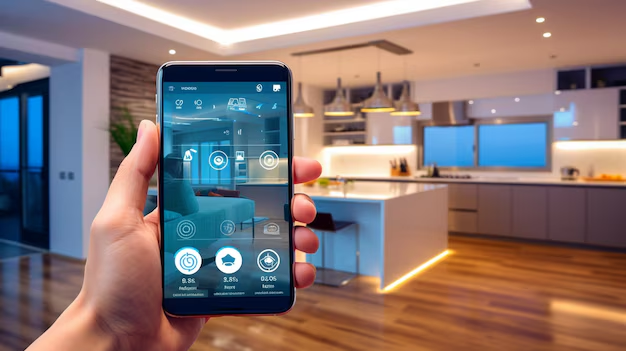
Homeowners should also consider programmable thermostats and smart home integration. These features allow users to manage indoor temperatures more effectively, reducing energy waste when the home is unoccupied.
Compare Different HVAC System Types
There are several types of heating and cooling systems available, and each offers unique advantages depending on your home’s requirements.
Central air conditioning systems remain one of the most popular choices for homeowners because they provide consistent cooling throughout the house. Heat pumps are another excellent option, particularly in moderate climates like San Diego. These systems can provide both heating and cooling from a single unit, making them highly versatile and energy-efficient.
Ductless mini-split systems are ideal for homes without existing ductwork or for homeowners looking to control temperatures in individual rooms. These systems offer flexibility and can help reduce energy consumption by allowing customized temperature settings for different areas of the home.
When evaluating options, consider installation costs, maintenance requirements, energy efficiency, and long-term performance to determine which system best meets your needs.
Think About Long-Term Maintenance and Reliability
Purchasing an HVAC system is a long-term investment, making reliability an important consideration. Choosing a reputable brand with a strong track record can help ensure dependable performance for years to come.
Regular maintenance is essential for maximizing the lifespan of any heating and cooling system. Routine inspections, filter replacements, and seasonal tune-ups can improve efficiency and reduce the risk of unexpected breakdowns.
It is also wise to review warranty coverage before making a purchase. Comprehensive warranties can provide peace of mind and help protect your investment from costly repair expenses.
Work With Qualified HVAC Professionals
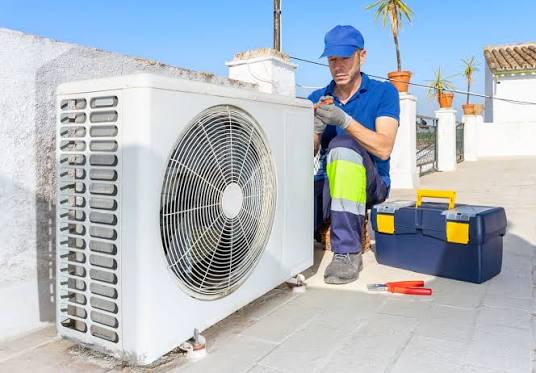
Even the most advanced HVAC system may not perform properly if it is installed incorrectly. Professional installation plays a critical role in ensuring efficiency, comfort, and long-term reliability.
Experienced HVAC technicians can evaluate your home’s unique needs, recommend appropriate equipment, and ensure that the installation meets industry standards. They can also identify potential issues that may affect performance, such as inadequate insulation, air leaks, or outdated ductwork.
By partnering with knowledgeable professionals, homeowners can feel confident that their new heating and cooling system will deliver the comfort, efficiency, and reliability they expect for many years to come.