How Home Energy Solutions Can Reduce Costs and Improve Comfort
Creating a comfortable and energy-efficient home is becoming increasingly important for homeowners and businesses. Rising energy costs, changing weather conditions, and the need for reliable home systems have made energy improvements a practical investment. Baker Home Energy offers integrated solutions such as solar panel and battery installation, HVAC systems, roofing, water filtration, and electrical services, helping property owners improve efficiency, comfort, reliability, and long-term savings through well-planned energy solutions.
Why Energy Efficiency Matters
Energy efficiency is about using less energy while maintaining the same level of comfort and performance. An inefficient property may require more electricity to heat, cool, and operate everyday appliances.
Several factors can contribute to high energy use, including old HVAC equipment, poor insulation, air leaks, outdated electrical systems, and an inefficient roof. Addressing these problems can reduce wasted energy and make indoor spaces more comfortable.
Energy upgrades can also provide long-term value. While some improvements require an initial investment, reducing monthly energy consumption can help offset those costs over time.
Upgrade Heating and Cooling Systems
Heating and cooling are among the most important parts of a comfortable home. An outdated HVAC system may struggle to maintain a consistent temperature while consuming more energy than a modern system.
For homeowners looking for reliable san diego heating and cooling solutions, choosing the right equipment and ensuring professional installation can make a significant difference. A properly sized and maintained HVAC system can provide better airflow, more consistent temperatures, and improved energy performance.
Regular maintenance is also important. Replacing filters, checking system components, and addressing small problems early can help keep an HVAC system working efficiently.
Consider Heat Pump Technology
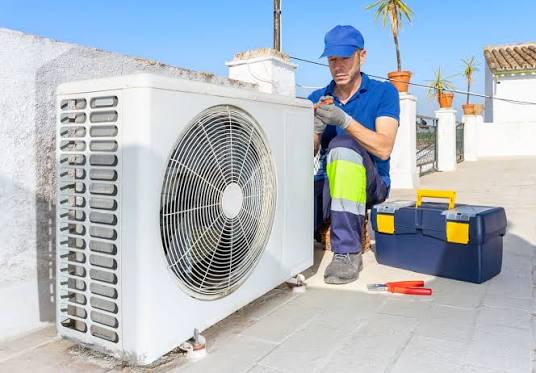
Heat pumps are another option for homeowners who want efficient heating and cooling. Instead of generating heat in the same way as traditional heating equipment, a heat pump transfers heat between indoor and outdoor areas.
Modern heat pumps can provide both heating and cooling, making them a versatile option for many properties. They may also use less energy than some traditional heating systems, depending on the equipment, climate, and property.
Professional heat pump installation can help ensure that the equipment is correctly selected, sized, and installed for the property. Proper installation is essential because even efficient equipment may not perform well if it is incorrectly sized or configured.
Use Solar Energy to Reduce Electricity Costs
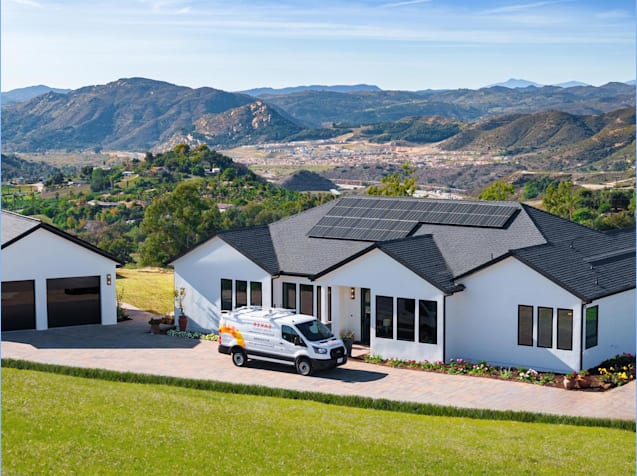
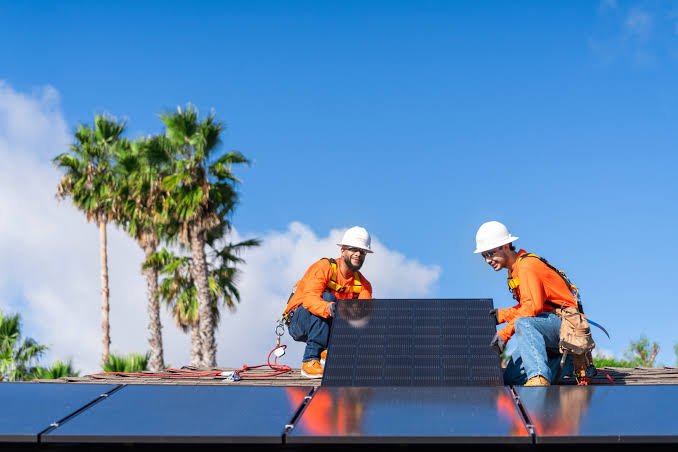
Solar panels allow a property to generate electricity from sunlight. The electricity produced can be used to power household appliances, lighting, HVAC equipment, and other systems.
Generating electricity on-site can reduce the amount of power a homeowner needs to purchase from the utility. The potential savings depend on factors such as electricity usage, solar system size, available sunlight, utility rates, and local regulations.
Solar energy can also be combined with other efficiency improvements. For example, reducing energy consumption first can allow a property owner to make better use of the electricity generated by a solar system.
Add Battery Storage for Greater Energy Control
Solar panels generate the most electricity when sunlight is available, while household energy demand can continue into the evening. Battery storage can help bridge this difference.
A home battery can store excess solar electricity and make it available later. This allows homeowners to use more of the energy their solar system produces instead of relying entirely on the electrical grid.
Battery storage can also provide backup power during certain outages, depending on the system and installation. For businesses, having additional energy storage may offer another layer of flexibility when dependable electricity is important.
Improve the Roof and Insulation
A property’s roof plays a major role in protecting the indoor environment. If a roof is damaged or poorly insulated, outdoor temperatures can have a greater effect on indoor conditions.
During summer, excessive heat can enter through an inefficient roof and increase the workload on the air conditioning system. During colder weather, poor insulation can allow heated air to escape.
Roof repairs, replacement, insulation, and ventilation improvements can help reduce unwanted heat transfer. These upgrades may also work together with an efficient HVAC system to create a more comfortable indoor environment.
Modernize Electrical Systems
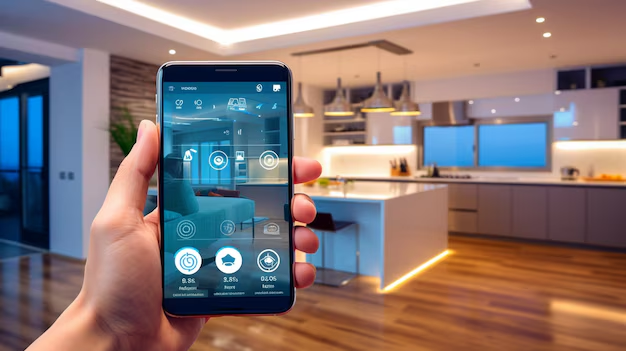
A reliable electrical system is essential for today’s homes. Modern properties often have numerous appliances, electronics, smart devices, HVAC equipment, solar systems, and batteries operating at the same time.
Professional electrical services can help identify outdated wiring, overloaded circuits, damaged components, and other potential problems. Electrical improvements can also prepare a property for future technologies such as electric vehicles, solar panels, and battery storage.
Including electrical work in a broader energy plan can help ensure that new equipment operates safely and effectively.
Think About Water Quality Too
Home improvement does not have to focus only on electricity and heating. Water quality is another important part of a comfortable and functional property.
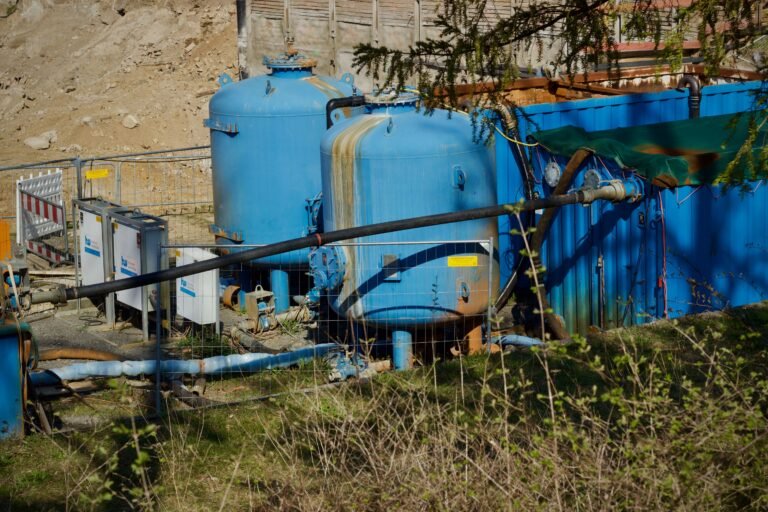
Water filtration systems can help reduce certain unwanted substances from household water, depending on the type of system selected. Although filtration does not directly lower electricity use, it can improve the overall quality and usefulness of a home’s essential systems.
When property owners work on several areas at the same time, they can create a more complete approach to improving their home.
Combine Different Solutions
The greatest benefits often come from considering different home systems together rather than treating every upgrade as an isolated project.
For example, a homeowner installing solar panels may also want to review the property’s electrical system. Someone upgrading an HVAC system may benefit from improving insulation or addressing roofing problems at the same time.
These systems can influence one another. A better-insulated home may require less heating and cooling. Lower energy demand can make a solar system more effective for meeting household needs.
An integrated approach can therefore help property owners prioritize improvements based on their actual energy use and long-term goals.
Focus on Long-Term Savings
Energy improvements should be viewed as long-term investments rather than quick fixes. The initial cost of equipment and installation is only one part of the decision.
Property owners should also consider potential reductions in energy bills, maintenance requirements, equipment lifespan, comfort improvements, and future energy needs.
For example, a more efficient HVAC system may reduce energy consumption while providing more consistent temperatures. Solar panels can potentially lower electricity purchases, while battery storage can provide greater control over when stored energy is used.
The actual savings will vary depending on the property and local conditions, so professional planning is important.
Make Comfort a Priority
Energy efficiency should never mean sacrificing comfort. The goal is to create a property that uses energy wisely while maintaining a pleasant indoor environment.
Uneven temperatures, poor airflow, drafts, excessive heat, and inefficient heating or cooling can all affect comfort. Addressing the underlying causes can make a noticeable difference.
With the right combination of HVAC, insulation, roofing, electrical, solar, and other home energy improvements, homeowners can create spaces that are comfortable throughout the year.
Plan Before Making Major Upgrades
Every property is different, so there is no single energy solution that works for everyone. A home’s size, age, construction, existing equipment, energy usage, and location should all be considered before making major improvements.
A professional evaluation can help identify where energy is being wasted and which upgrades may provide the most value. This approach can prevent unnecessary spending and help homeowners build a practical improvement plan.
Conclusion
Home energy solutions can help homeowners and businesses achieve several important goals at the same time. Efficient HVAC systems can improve indoor comfort, heat pumps can provide flexible heating and cooling, solar panels can help reduce electricity costs, and battery storage can provide greater control over energy use.
Roofing, insulation, electrical services, and water filtration can further improve the functionality and reliability of a property. When these solutions are carefully planned and integrated, they can create a more comfortable, efficient, and dependable space while supporting long-term savings.
The best approach is to evaluate the property as a whole and prioritize improvements that address its specific needs. With the right energy strategy, homeowners can enjoy greater comfort today while preparing their properties for a more efficient future.