How to Improve Home Energy Efficiency and Lower Utility Bills
Rising energy costs have made home energy efficiency a top priority for homeowners and businesses alike. By making smart upgrades and adopting energy-saving habits, you can reduce your monthly utility bills while creating a more comfortable and environmentally friendly living space. From improving insulation to investing in renewable energy systems, every step toward greater efficiency delivers long-term financial and environmental benefits.
Upgrade to Energy-Efficient Heating and Cooling
Heating and cooling systems account for a significant portion of a home’s energy use. If your HVAC system is outdated, replacing it with a high-efficiency model can dramatically lower energy consumption. Heat pumps have become one of the most effective solutions because they provide both heating and cooling while using less electricity than traditional systems.
Professional heat pump installation ensures your system is properly sized and installed for maximum performance. A well-installed heat pump not only reduces energy waste but also provides consistent indoor comfort throughout the year.
Install Solar Panels and Battery Storage
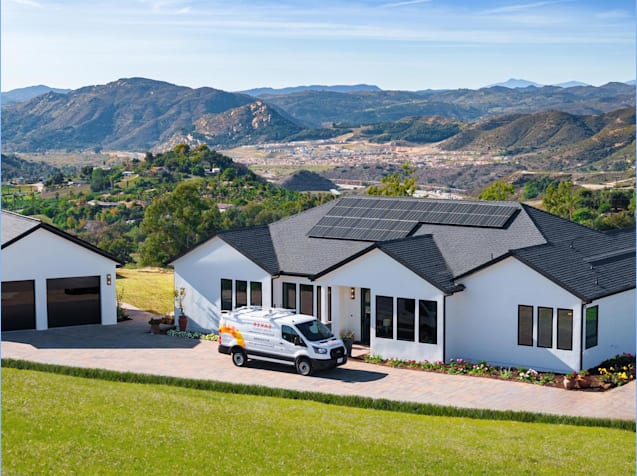
Generating your own electricity is one of the best ways to reduce dependence on utility companies. Solar panels convert sunlight into clean energy, helping homeowners offset a large portion of their electricity bills.
To keep your solar system performing at its best, regular maintenance is essential. Professional Solar Service and Repair helps identify performance issues, maintain optimal energy production, and extend the lifespan of your investment. When paired with battery storage, solar systems can also provide backup power during outages and allow you to use stored energy during peak-rate hours.
Improve Home Insulation
Proper insulation prevents heat from escaping during winter and keeps unwanted heat out during summer. Without adequate insulation, heating and cooling systems must work harder, resulting in higher energy bills.
Adding insulation to attics, walls, and crawl spaces can significantly reduce energy loss. Sealing air leaks around doors, windows, and vents also prevents conditioned air from escaping, making your HVAC system more efficient.
Upgrade Windows and Doors
Older windows and doors often allow drafts that increase heating and cooling costs. Installing energy-efficient windows with double or triple-pane glass improves insulation and reduces heat transfer.
Weatherstripping and caulking around windows and doors are affordable improvements that can eliminate air leaks and improve indoor comfort without requiring major renovations.
Use Smart Home Technology
Smart thermostats automatically adjust indoor temperatures based on your daily schedule, preventing unnecessary energy use when no one is home. Many models allow remote control through smartphone apps, making it easy to optimize your home’s energy usage.
Smart lighting systems, programmable outlets, and energy monitoring devices also help homeowners identify waste and reduce electricity consumption.
Choose Energy-Efficient Appliances
Replacing older appliances with ENERGY STAR® certified models can produce noticeable savings over time. Modern refrigerators, washing machines, dishwashers, and water heaters consume less electricity and water while delivering excellent performance.
Although energy-efficient appliances may require a larger upfront investment, lower operating costs often offset the purchase price over their lifespan.
Maintain Your Home’s Energy Systems
Routine maintenance plays a crucial role in maintaining energy efficiency. HVAC filters should be cleaned or replaced regularly to improve airflow and system performance. Solar panels should be inspected periodically to ensure they remain free from debris and damage.
Electrical systems, roofing, and water filtration equipment also benefit from regular professional inspections, helping identify small problems before they become expensive repairs.
Adopt Everyday Energy-Saving Habits
Simple daily habits can make a meaningful difference in reducing utility bills. Turn off lights when leaving a room, unplug electronics that are not in use, switch to LED lighting, and wash clothes with cold water whenever possible.
Adjusting your thermostat by just a few degrees during different seasons can also produce significant annual savings without sacrificing comfort.
Conclusion
Improving home energy efficiency is one of the smartest investments you can make. By upgrading heating and cooling systems, improving insulation, installing solar energy, maintaining your equipment, and adopting energy-conscious habits, you can enjoy lower utility bills and greater year-round comfort. These improvements not only reduce household expenses but also increase property value and contribute to a cleaner, more sustainable future.