
Why Multiple Slow Drains Can Point to a Larger Plumbing Problem
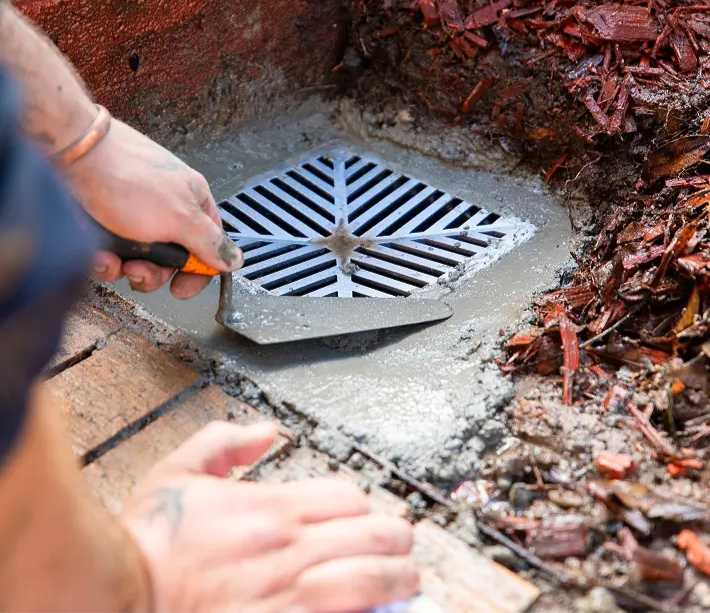
One slow-draining sink may be caused by a local buildup of soap, hair or other debris. When several drains around the property begin slowing down at the same time, however, the problem may be located deeper within the drainage system.
Understanding the difference between an isolated blockage and a wider drainage issue can help homeowners respond appropriately. If sinks, showers or other fixtures are repeatedly draining slowly, blocked drain services around Milton may be needed to investigate where the restriction is located rather than treating each fixture separately. Paying attention to how different drains behave can provide useful clues about what may be happening inside the property’s plumbing.
One Slow Drain May Be a Localised Problem
When only one fixture is affected, the blockage may be relatively close to that drain. Bathroom sinks can gradually collect soap residue, hair and other material. Shower drains commonly experience similar buildup, while kitchen sinks may accumulate grease, oils and food particles. These materials can reduce the available space inside the pipe, causing water to drain more slowly.
The location of the problem matters. If a bathroom sink drains slowly but the nearby shower and toilet operate normally, the restriction may be associated with the sink’s individual waste pipe. Homeowners should still pay attention to recurring problems. A drain that repeatedly slows down soon after being cleared could indicate that the obstruction has not been fully removed or that another issue is contributing to the blockage. The situation becomes more concerning when several fixtures begin showing symptoms together.
Several Affected Fixtures Can Reveal the Location
Household drains eventually connect to larger sections of the drainage system. Because of this arrangement, a blockage further along the pipe can affect more than one fixture located upstream from it. Water from different parts of the property may struggle to move through the same restricted section. For example, if a shower, basin and toilet in the same bathroom are all behaving unusually, the problem may be located in a pipe shared by those fixtures.
If drainage problems appear throughout several areas of the home, the restriction could potentially be further along the system. The pattern of affected fixtures can therefore provide useful information when investigating a blockage. A plumber may ask which drains are slow, when the problem started and whether symptoms appear after particular fixtures are used. Providing these details can help narrow down where further investigation should begin.
Gurgling and Unpleasant Odours Can Provide Extra Clues
Slow drainage is not always the only warning sign. Gurgling sounds from sinks, showers or toilets can occur when air movement within the drainage system is affected. You might notice one fixture making unusual sounds while another fixture is draining. Unpleasant drain odours may also appear. A smell does not automatically mean there is a major blockage, as several plumbing issues can cause odours. However, smells combined with slow drainage or unusual noises deserve attention.
Another warning sign is water appearing where it normally would not. Using one fixture may cause water to rise or move in another drain. In more serious situations, wastewater may begin backing up through low-level fixtures. These symptoms should not simply be treated as separate problems. When several appear together, they may indicate that wastewater is having difficulty moving through a shared section of the drainage system.
Underground Pipes Can Develop Hidden Problems
Some drainage problems cannot be identified by looking at the fixtures inside the home. Underground pipes can become restricted or damaged for several reasons. Tree roots may enter through cracks or joints where conditions allow, gradually obstructing the pipe as they grow. Grease, waste and other materials can also accumulate over time. Older pipes may experience deterioration, movement or damaged joints. Ground conditions and previous building work can potentially affect underground drainage as well.
In these situations, repeatedly clearing the easiest-to-reach section of pipe may not address the underlying problem. A CCTV drain inspection can be useful when the cause or location of recurring drainage problems is unclear. A suitable camera can be introduced into accessible sections of the drainage system to help inspect internal pipe conditions. Depending on what is found, the appropriate response may involve clearing an obstruction, removing roots, repairing a damaged section or considering another suitable solution.
Avoid Relying on Repeated Short-Term Fixes
When water is draining slowly, it can be tempting to use the quickest available solution each time the problem returns. A basic blockage close to a fixture may sometimes be relatively straightforward to address. Recurring or widespread problems require more caution. Chemical drain cleaners, in particular, should not be treated as a universal solution. Products vary considerably, and inappropriate use may create safety concerns or be unsuitable for some plumbing systems.
Repeatedly clearing a drain without understanding why it keeps blocking can also delay proper investigation. Professional drain-clearing equipment may be used depending on the type and location of the obstruction. High-pressure water jetting, for example, can be appropriate for certain drain blockages, while other situations may require different equipment or repairs. The important point is to match the solution to the actual cause rather than assuming every slow drain has the same problem.
Early Investigation Can Help Limit Further Disruption
A drainage problem is generally easier to manage before wastewater begins overflowing into the property. Pay attention when drainage performance changes. If several fixtures become noticeably slower, note which areas are affected and whether the problem is getting progressively worse. Avoid putting additional grease, food waste, sanitary products or other unsuitable materials into the drainage system. If wastewater begins backing up, reduce the use of affected fixtures until the problem can be assessed. Continuing to send more water into a restricted drainage system may increase the chance of an overflow.
It can also be useful to keep information about previous drainage work, particularly if the property has experienced recurring blockages. Knowing where problems have occurred before and what work was previously completed can provide useful context during a future inspection. Responding to early warning signs can reduce inconvenience and provide more time to determine an appropriate solution.
Conclusion
One slow drain may indicate a localised obstruction, but several slow drains can point to a restriction in a shared section of the property’s drainage system. Gurgling noises, unpleasant smells, recurring blockages and water appearing in other fixtures can provide additional signs that the problem extends beyond a single sink or shower.
Because some drainage issues develop underground or inside inaccessible pipes, identifying the location and cause is an important part of resolving recurring problems. By paying attention to changes in drainage performance and arranging further investigation when several fixtures are affected, homeowners can address potential problems before they develop into more disruptive wastewater backups or overflows.