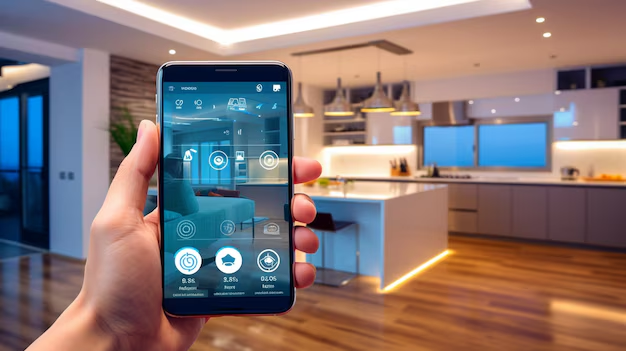

Smart homes are far from a sci-fi vision of the future — they’re a reality. You can equip your home with multiple smart devices and features to maximize its functionality and security. However, in a multifamily network with multiple devices, a smart home protocol is essential for seamless connectivity across the entire home. Discover the benefits of smart home protocols, what to look for and which are the most secure.
Why Smart Home Security Matters in Multifamily Units
Smart home integrations are gaining rapid popularity as the market for smart garage door openers alone is expected to reach $1.24 billion by 2032, up from $655 million in 2023. This prediction indicates that more homeowners are recognizing how smart technology can enhance security and convenience.
With this rapid adoption, the need for a secure and organized network is more important than ever, especially in a multifamily setting. Smart home protocols are essentially the languages that devices communicate with each other. Your smart system requires an efficient and secure protocol to ensure only authorized devices communicate within the smart environment.
In a multifamily unit, a smart protocol is a useful way to prevent network congestion, especially with the many devices the residents may have. Separate networks give each unit privacy from the other while operating under one roof. Additionally, secure protocols can ensure the entire network is protected from potential hacks or data breaches, offering privacy and peace of mind for everyone.
A smart home protocol can also support multifamily routines without disruptions. For example, members of each family can program arrival and departure schedules and settings, triggering a security response if the routine deviates. With real-time notifications and network-based remote monitoring, interconnected smart home features must connect quickly, without latency or device congestion. A protocol ensures each device effectively communicates with others, maintaining a seamless routine and a harmonious home environment for everyone.
The Most Secure Smart Home Protocols
Many homeowners are familiar with the most common protocol system — Wi-Fi. However, several popular, secure options are available for those looking to optimize their multifamily home connectivity.
Z-Wave and Zigbee
Z-Wave and Zigbee protocols both rely on a mesh network, meaning that rather than a single point of access via a router, they use several interconnected nodes to create a blanket of coverage. They are designed specifically for smart home devices, built with security in mind, and are ideal for connecting devices across a multifamily network.
Each apartment with Z-Wave or Zigbee devices will have its own hub that creates an entirely separate and securely encrypted, private network for that apartment. Networks will have their own unique keys, so the hub and devices in one apartment cannot communicate with or control devices in another. This prevents you from accidentally controlling your neighbor’s lights, and them from controlling yours.
A unique advantage of Z-Wave is that it operates on a different frequency than Wi-Fi, allowing you to add devices to the network without interfering with Wi-Fi devices. Zigbee, on the other hand, is generally faster and can support more devices.
Matter
Matter is a relatively new open-source standard that aims to enable Matter-certified smart devices to work together seamlessly, regardless of the manufacturer. Though Matter is a distinct protocol, it runs either through Wi-Fi or Thread, another secure protocol.
Matter operates with each network of devices called a “fabric,” unique to your home. Devices must be securely commissioned into your specific fabric, creating a strong, digital wall between your smart home and your neighbors’ network.
The protocol has security at its core. All devices seeking to join the network must present a “proof of ownership” password, and each device gains unique credentials within the network. With multiple layers of security provisions, including device certification and encryption algorithms, Matter provides a multi-layered security framework for multifamily homes.
Wi-Fi
Easy to set up and use, Wi-Fi has become ingrained in day-to-day lives almost everywhere. Wi-Fi is a wireless connection between devices that requires an access point as the central hub and a router to transmit the internet between devices. Modern Wi-Fi offers strong security features to protect your data and privacy in a multifamily environment.
Its most recent security standards, WPA2 and WPA3, use comprehensive encryption and authentication to protect your network. Even in a larger network, residents can have their own private and protected branch while enjoying the benefits of home-wide connectivity.
Key Factors for Choosing a Protocol
When deciding on a protocol for your multifamily unit, it is important to assess the following key factors that will be most beneficial in your home network:
- Scalability and reliability: Consider how many devices you currently have and how many you want to connect via a smart protocol. Determine if a regular Wi-Fi network will interfere with smart devices and personal devices.
- Ease of use: For those less experienced with protocols and network devices, a more straightforward setup may be best. This approach prevents frustration and latency issues.
- Resident management: If a family moves out, the protocol should be straightforward to disconnect their network and reconnect with a new one.
- Security: Networks should be secure and private for each family, ensuring peace of mind throughout the home.
Choosing a Protocol for Security and Peace of Mind
Your multifamily unit deserves the most secure protocol to run a smart home that meets everyone’s needs. Assess the different options to determine which protocol your home can appreciate the most, and enjoy the many benefits of an interconnected home of the future.