
A kitchen is more than a place to cook. It is where people gather, share meals, and spend time together. A well-designed kitchen makes daily life easier, faster, and more enjoyable.
You do not need a huge budget or a large space to create a kitchen that works well. What matters most is how you plan and use the space you already have.
In this guide, you will discover simple and practical kitchen design ideas that focus on real everyday living. These ideas are easy to follow, easy to apply, and built to improve comfort and function.
Start with a Smart Layout
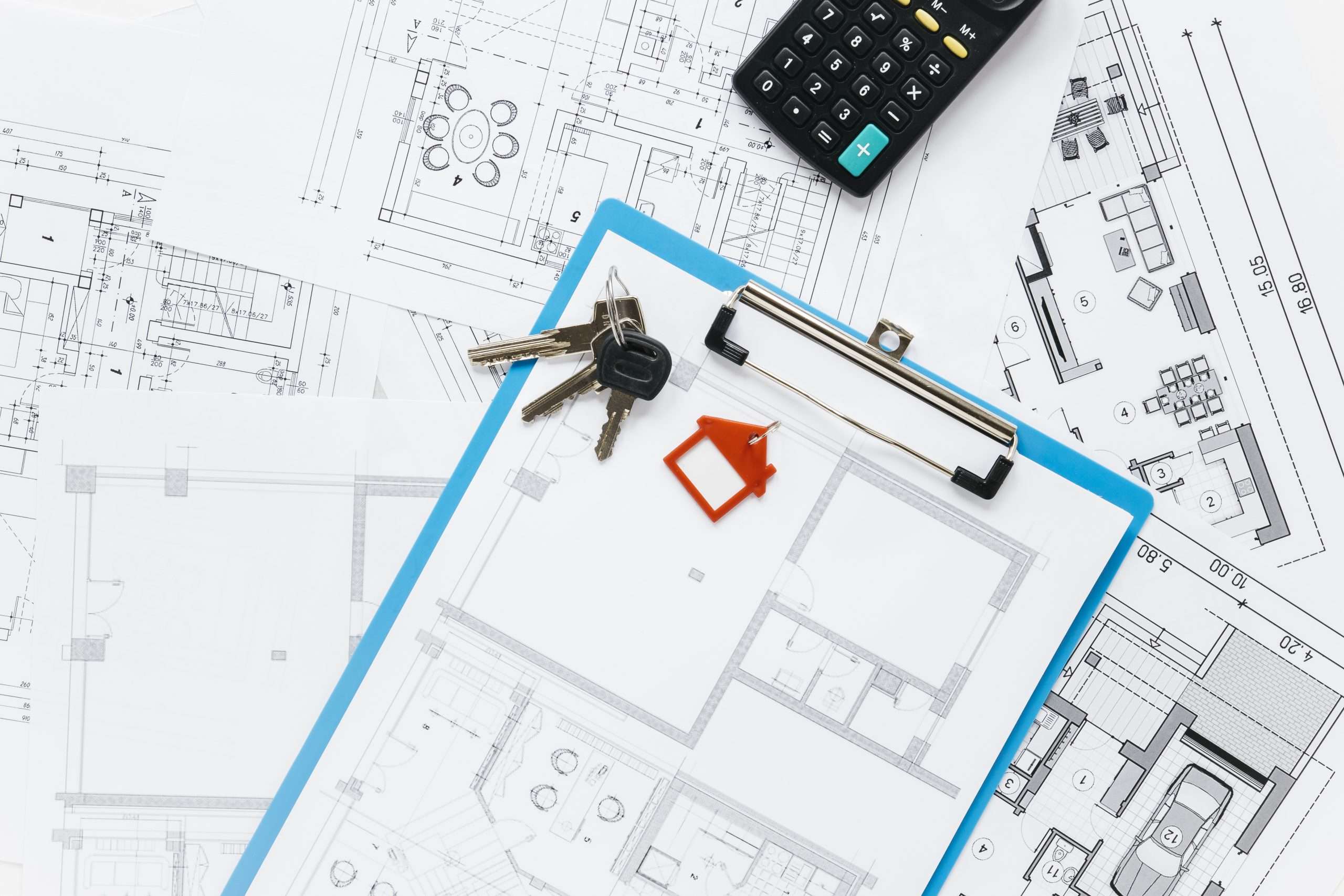
The layout is the foundation of every kitchen. A good layout helps you move easily between tasks like cooking, cleaning, and storing items.
One popular concept is the “kitchen work triangle.” This connects the stove, sink, and refrigerator. When these three points are placed close enough, you save time and effort while cooking.
For smaller kitchens, a galley layout works well. Everything stays within reach, and space is used efficiently. In larger homes, an L-shaped or U-shaped layout gives more room to move and work.
Open layouts are also common today. They connect the kitchen with the dining or living area. This makes the space feel bigger and allows better interaction with family or guests.
Focus on Storage That Works Daily
Storage is one of the most important parts of any kitchen design. Without proper storage, even a beautiful kitchen can feel messy.
Use cabinets that go all the way up to the ceiling. This gives you extra space for items you do not use every day. Deep drawers are better than traditional shelves because you can see everything at once.
Pull-out shelves are another great option. They make it easy to reach items at the back without bending or searching.
You can also use:
- Corner cabinets with rotating shelves
- Hanging racks for pots and pans
- Wall-mounted shelves for quick access items
The goal is to make everything easy to find and easy to use.
Choose Durable and Easy-to-Clean Materials
A kitchen is used every day, so materials should be strong and easy to maintain. You want surfaces that can handle heat, spills, and regular cleaning.
For countertops, quartz is a popular choice. It is strong, smooth, and does not stain easily. Granite is also durable and adds a natural look.
For cabinets, choose finishes that resist scratches and are easy to wipe clean. Matte finishes are good at hiding fingerprints, while glossy finishes can make a space look brighter.
Flooring should be non-slip and water-resistant. Tiles, vinyl, and laminate are all practical options.
Use Lighting to Improve Function and Mood
Lighting plays a big role in how your kitchen feels and works. A well-lit kitchen is safer and more comfortable.
There are three main types of lighting:
Task lighting helps you see clearly when cooking or cutting food. Install lights under cabinets to brighten your countertops.
Ambient lighting is the main light in the room. Ceiling lights or recessed lights work well for this.
Accent lighting adds style. It can highlight shelves or cabinets and make the kitchen feel warm and inviting.
Natural light is also important. If possible, keep windows clear and allow sunlight to enter the space.
Keep Countertops Clean and Functional
A cluttered countertop can make your kitchen feel stressful. Try to keep only the items you use daily within reach.
Store small appliances like blenders or mixers inside cabinets when not in use. Use trays or organizers to group items together neatly.
If you have enough space, add a small prep area where you can cut and prepare food comfortably. This makes cooking more organized and efficient.
Add a Multi-Use Kitchen Island
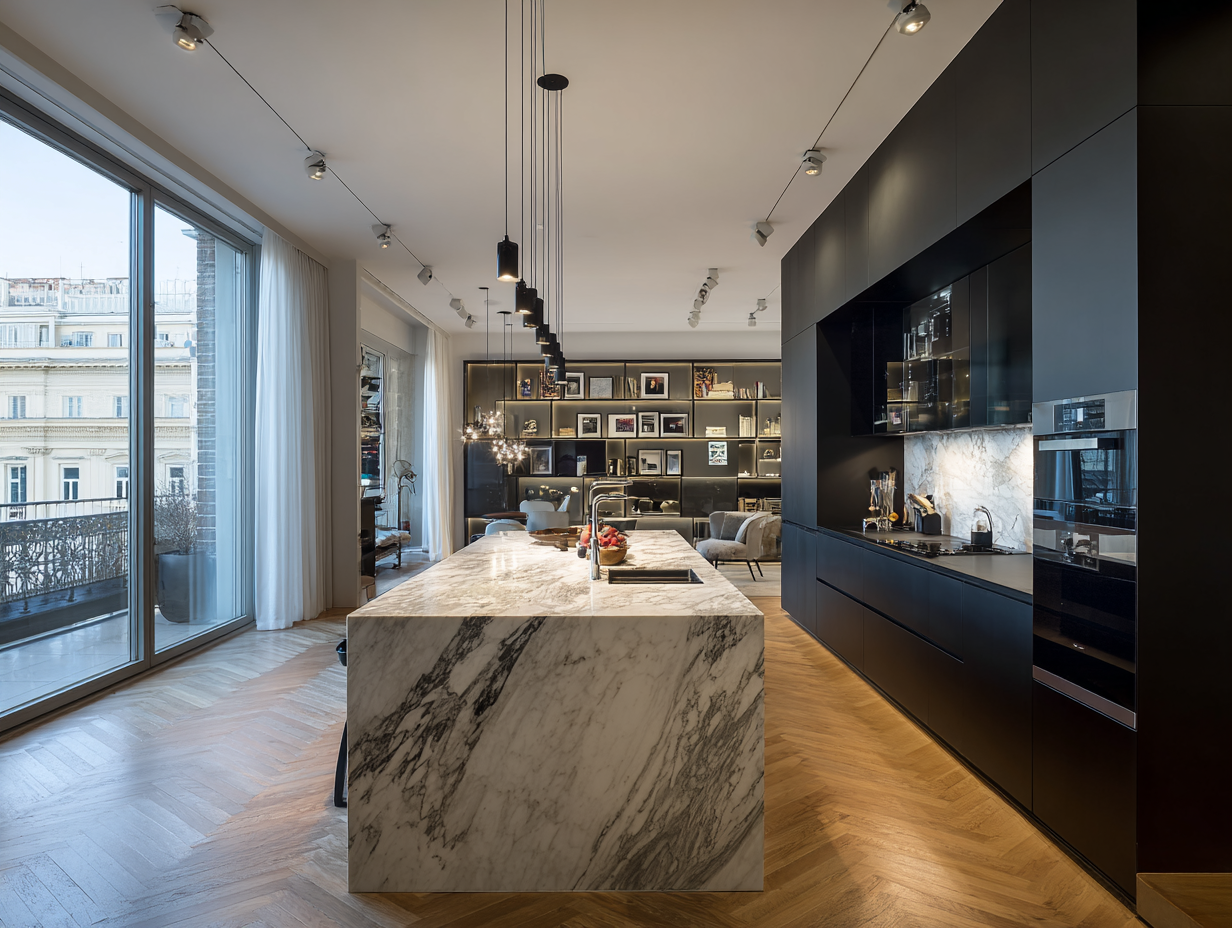
If your kitchen has enough space, a kitchen island can be a great addition. It provides extra workspace, storage, and even seating.
You can use the island for:
- Preparing food
- Storing utensils and cookware
- Serving meals
- Sitting and eating
Some islands also include sinks or cooktops, making them even more useful. Even a small island or movable cart can improve your kitchen layout.
Make Appliances Easy to Access
Your appliances should be placed in a way that supports your daily routine. Avoid placing them too far apart or in hard-to-reach areas.
Keep the refrigerator near the entrance of the kitchen. This allows easy access without disturbing the cooking area.
Place the microwave at a comfortable height. Built-in ovens and dishwashers should also be installed where you can use them without bending too much.
Modern appliances also offer energy-saving features, which can reduce electricity costs over time.
Use Colors That Feel Calm and Clean
Color has a strong effect on how your kitchen feels. Light colors like white, beige, and soft gray make the space look bigger and brighter.
If you want a bit of style, you can add color through cabinets, backsplashes, or small decor items.
Neutral tones are a safe choice for long-term use. They do not go out of style and match easily with other elements.
You can also mix materials like wood and metal to create a balanced and natural look.
Improve Airflow and Ventilation
Good ventilation is important in a kitchen. It removes smoke, heat, and cooking smells.
Install a strong exhaust fan or range hood above your stove. This helps keep the air clean and fresh.
If possible, add windows or vents to allow natural airflow. A well-ventilated kitchen feels more comfortable and healthy.
Create a Space for Daily Life
A kitchen should support your daily routine. Think about how you use your kitchen every day and design it around your habits.
If you enjoy quick breakfasts, create a small coffee or snack station. If you cook often, make sure your tools and ingredients are easy to reach.
You can also include a small seating area where family members can sit and talk while meals are being prepared.
Keep Safety in Mind
Safety is often overlooked in kitchen design, but it is very important.
Keep sharp tools stored safely and out of reach of children. Install proper lighting so you can see clearly while working.
Use non-slip mats or flooring to prevent accidents. Make sure electrical outlets are placed safely and away from water sources.
A safe kitchen allows you to work with confidence and peace of mind.
Add Personal Touches
Your kitchen should reflect your style and personality. Small details can make a big difference.
You can add:
- Plants for a fresh and natural feel
- Simple artwork or wall decor
- Stylish handles or cabinet knobs
- Decorative jars or containers
These small touches make your kitchen feel warm and inviting without affecting its function.
Plan for the Future
When designing a kitchen, think about how your needs may change over time. Choose flexible solutions that can adapt.
For example, adjustable shelves allow you to change storage space when needed. Neutral designs also make it easier to update the look later without major changes.
Investing in quality materials and smart design choices can save money in the long run.
Conclusion
A practical kitchen is not about luxury or expensive designs. It is about creating a space that works well every single day. With the right layout, smart storage, durable materials, and thoughtful details, any kitchen can become more efficient and enjoyable.
These kitchen design ideas focus on real-life use. They help you cook better, stay organized, and enjoy your time in the kitchen. Start with small changes, and you will quickly see how much difference a well-designed kitchen can make in your daily life.