How to Improve Your Home’s Security Without Sacrificing Style or Airflow
There is a version of home security few people want to live with. Bars across the windows, a floodlight that fires up every time something crosses the lawn, and a front door that stays shut all summer because leaving it open does not feel comfortable.
Most households want something more balanced: a home that is harder to enter but still feels welcoming, and that can be opened up on a warm evening without much thought.
Those goals conflict less often than people expect. Before going further, one caveat that applies to everything below. No single measure can guarantee home security, and nothing here will prevent every attempted break-in. The aim is to make a home less straightforward to approach while keeping it comfortable to live in.
Understand Security Screen Testing
This is where people assume they must choose between security and airflow, and where the choice is less stark than it seems.
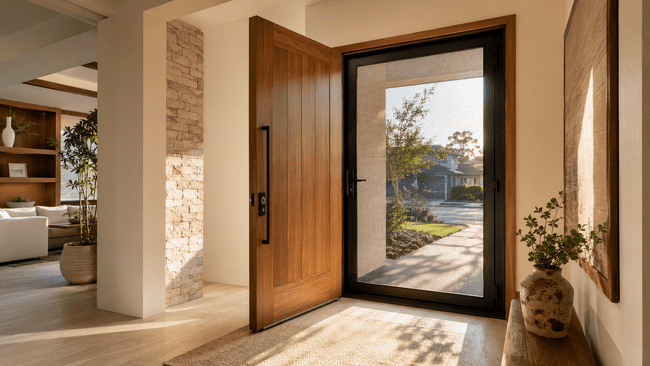
A security screen door allows the solid door behind it to be left open, so air can move through the house while the opening stays closed and locked. Through an Australian summer, that can change how a home feels in the evening.
The part worth understanding is what you are buying. Security door and window screens are covered by the AS 5039 series, which includes performance, installation and testing requirements. Depending on the product and its classification, assessment may include dynamic-impact, knife-shear and lock-and-hinge lever testing. Ask the supplier which current requirements the product has been tested against, and how the installation will be completed.
That second question matters more than most people realise. Testing describes how a product performed in controlled conditions. How the finished door performs at your place also depends on how it is fitted and what it is fitted into, which is why the series covers installation alongside performance. A well-made screen fixed into a soft or damaged frame is limited by the frame.
It is worth being clear about untested products too. A screen that has not been assessed against security requirements may still provide effective insect screening and act as a physical barrier, and there is nothing wrong with choosing one for those reasons. It should not be represented as offering tested security performance.
For an overview of the tests and construction details homeowners can ask about, this guide to security door testing and product features is a useful starting point.
On appearance, screens have moved on considerably from the heavy diamond-grille doors of a few decades ago. Fine stainless-steel mesh in a slim powder-coated frame gives a more minimal look, and choosing a frame colour and profile that suits the existing windows can help the screen complement the exterior. Visibility and airflow do vary between products, so compare samples in daylight rather than assuming they perform alike.
Plan Openings for Better Cross-Ventilation
Cross-ventilation generally needs somewhere for air to enter and somewhere for it to leave.
How well it works depends on prevailing breezes, the position and size of the openings, the layout of the building and what surrounds it. A screened front door may provide limited cross-ventilation if there is no suitable opening elsewhere in the home.
Where local breezes and the home’s layout allow, openings on opposite or adjacent sides tend to give a better result than several openings in one room. Higher openings can help as well, since warm air tends to rise and escape at a higher level, which may encourage cooler air to enter through lower ones. Floor plans differ enough that it is worth testing a few combinations on a mild day.
Inspect Less-Visible Entry Doors
Front doors tend to attract the most attention over the years. Less-visible or poorly maintained entrances can be easier to overlook, so inspect every external door rather than concentrating only on the front entrance. That means the laundry door, the side entry, the garage internal door and any rear door onto a deck or courtyard.
Look for the obvious things. Does the door sit squarely in the frame, or has it dropped so it needs lifting to latch? Is there noticeable movement in the handle or lock? Is the timber around the frame or strike plate split, soft or water damaged?
Where the frame, hinges, strike plate or locking system appears damaged, loose or badly fitted, arrange for a locksmith or qualified installer to assess it. Avoid dismantling locks, removing hinge pins or attempting structural modifications yourself.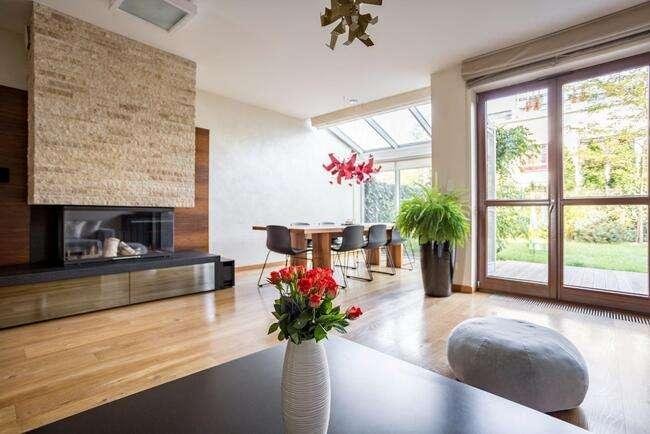
Assess Your Home from the Street
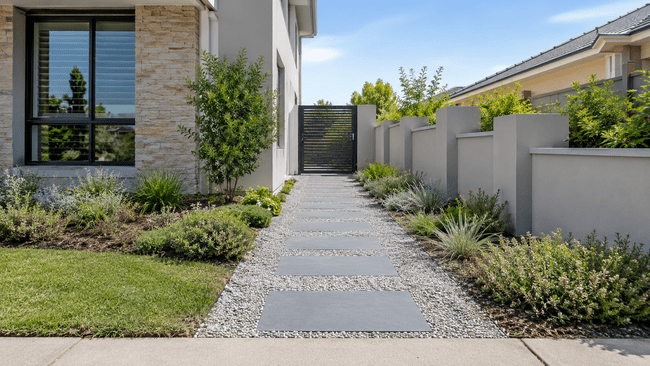
Several useful checks cost little or nothing. Walk out to the footpath and look back at the house the way a stranger might.
Can you see down the side path, or does it disappear behind a fence and a hedge? Is there a spot beside the front door where someone could stand unseen from the street or a neighbouring window? Is mail building up in the letterbox? Is there a ladder against the shed, or a bin parked beside a low fence?
Properties that provide concealment or easy access may present fewer obstacles to an opportunistic intruder. Clearing sightlines, storing ladders and tools away, and arranging for mail to be collected can all form part of a broader approach, alongside the hardware on your doors and windows.
Use Targeted Outdoor Lighting
Outdoor lighting is worth planning rather than simply adding. The areas that benefit most are those where visibility matters: entry doors, gates, pathways and the approach to the garage.
Position fixtures so they light the surface without throwing glare into your eyes or the neighbours’ windows. A single bright fixture aimed across a whole yard can be counterproductive, since strong glare in one direction creates deeper shadows in another. Several lower-output fixtures placed where they are needed give a more even result.
Sensor lighting suits selected locations, such as a side gate or a rarely used rear entry, and sensors are worth positioning so they respond to people rather than passing traffic or pets. The aim throughout is to support visibility around the openings that matter, without creating concealed dark areas next to them.
Make Secure Habits Part of the Routine
Suitable hardware and everyday habits complement each other, and neither substitutes for the other.
A tested security door can only perform as intended when it is properly closed and locked, so build that into the routine each time you open the solid door behind it. Keep gates and other external doors secured when appropriate. Arrange for mail to be collected when the home will be unoccupied for an extended period. Store spare keys securely and away from accessible windows, doors and pet openings.
Whatever you settle on, make sure everyone in the household can get out quickly in an emergency. Follow the lock manufacturer’s instructions on how the hardware is intended to be used, particularly for any lock that can be secured from the inside, and avoid any practice that would slow an exit.
Build Security in Layers, Not Like a Fortress
Clear sightlines, lighting positioned where visibility matters, secure gates, maintained locks and frames, a screen chosen with an understanding of what it has been tested against, and the habits that keep all of it working. Each contributes something, and none of them requires giving up an open door on a warm night.
Rather than assuming which entrance is most exposed, assess every external opening and prioritise anywhere you find visible damage, poor operation or hardware that is not up to the task.