
RBS Contractors is often the first phrase homeowners hear when friends talk about a renovation that stayed on budget, stayed on schedule, and stayed sane.
That opening matters because most people do not fear renovation itself.
They fear what can go wrong.
They fear delays, cost overruns, and poor communication.
Planning a home renovation can feel overwhelming before the first tool even comes out.
I remember standing in my own kitchen with blue tape marking cabinet lines, second-guessing every decision, and wondering if I had already made a mistake.
That experience taught me something important very quickly.
A stress-free renovation is not about finishes.
It is about planning with intention.
It is about control, clarity, and accountability from the very beginning.
Understanding the Real Stress Behind Home Renovations
Most renovation stress does not come from noise, dust, or living without a kitchen for a few weeks.
It comes from uncertainty.
Homeowners often worry about whether timelines will slip.
They worry about unexpected costs.
They worry about miscommunication between designers, builders, and inspectors.
I have seen projects stall simply because expectations were never clearly defined at the start, which is why working with experienced teams like RBS Contractors can make such a noticeable difference early on.
One homeowner I spoke with had a bathroom remodel delayed by weeks because the scope was never fully documented.
Clear planning would have prevented that entirely.
This is where experienced general contractors stand apart.
They know that planning is not paperwork.
Planning is risk control.
Turning Ideas Into a Clear Renovation Roadmap
Every successful renovation starts with listening, not measuring.
Homeowners often come in with ideas, inspiration photos, and rough budgets.
What they need next is structure.
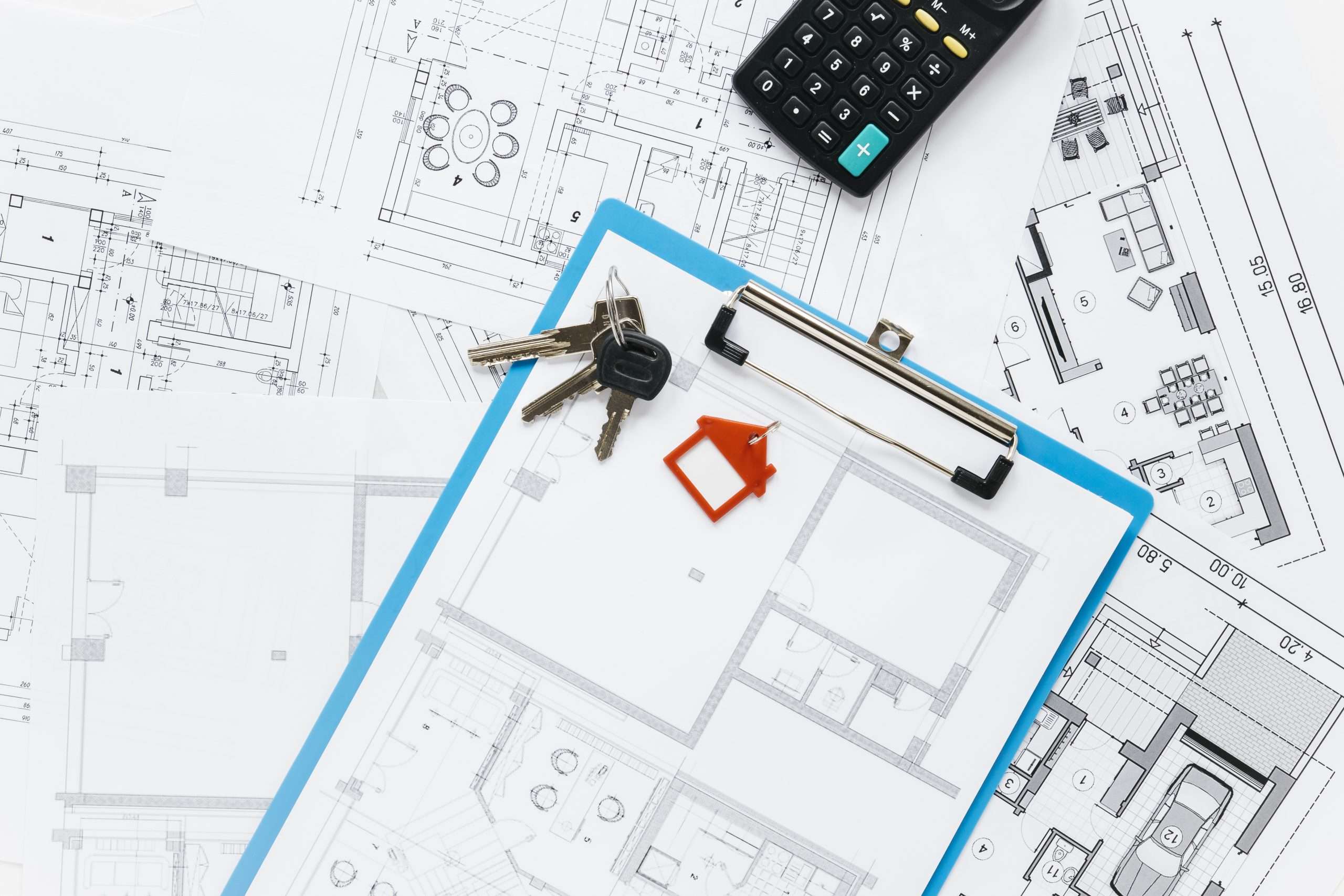
A real renovation roadmap translates ideas into phases, timelines, and decisions.
I once watched a living room redesign change dramatically because the contractor asked one simple question about how often guests visited.
That single conversation reshaped the layout, lighting plan, and furniture flow.
Good planning aligns lifestyle needs with construction realities.
It prevents redesigns mid-project, which are one of the biggest stress triggers homeowners face.
Budget Planning That Prevents Surprise Expenses
Budget anxiety is common, and for good reason.
Most people have heard renovation horror stories involving doubled costs and half-finished spaces.
In my own experience, the biggest relief came from seeing a detailed cost breakdown early on.
Labor, materials, permits, inspections, and contingencies should never be vague.
Professional remodeling teams plan for unknowns before they happen.
They anticipate structural issues, material delays, and code updates.
This foresight keeps budgets stable and expectations realistic.
Handling Permits, Codes, and Inspections Without Delays
Permits are one of the most misunderstood parts of home remodeling.
They are also one of the most critical.
Local building codes, zoning rules, and inspection schedules can stop a project instantly if mishandled.
I once saw a kitchen renovation paused for nearly a month because an inspection was missed.
Experienced contractors sequence work around permit requirements.
They know when inspections are required and how to prepare for them.
That knowledge keeps projects compliant and moving forward.
Communication That Reduces Anxiety at Every Stage
Renovation stress often comes from silence.
Homeowners feel uneasy when they do not know what is happening next.
Clear communication changes that entirely.
During my own project, weekly updates eliminated nearly all anxiety.
Even when delays occurred, understanding the reason made them manageable.
Strong renovation teams explain changes before they happen.
They do not leave homeowners guessing.
Transparency builds trust, and trust reduces stress.
Coordinating Trades for Smooth Project Flow
A home renovation involves many moving parts.
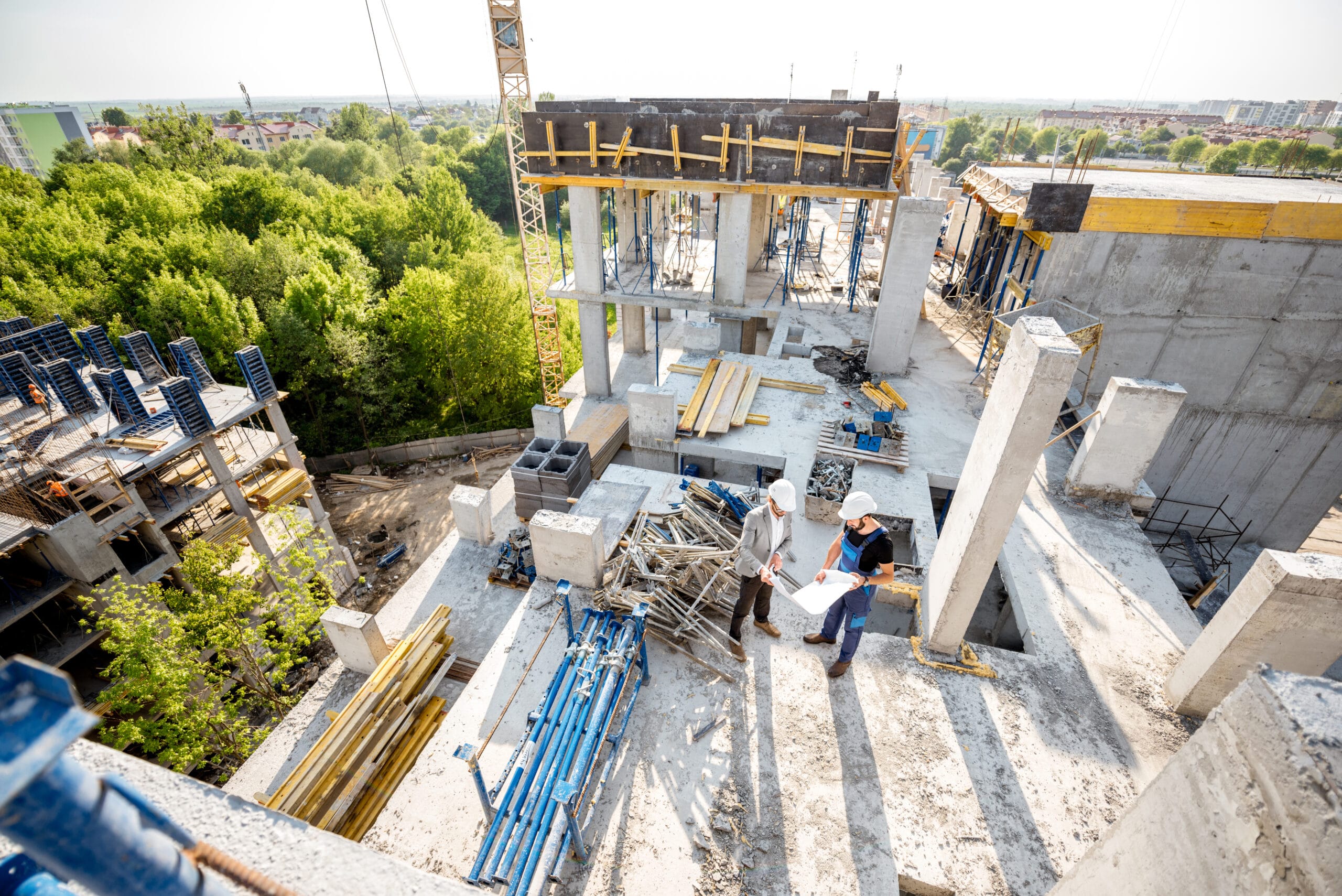
Carpenters, electricians, plumbers, painters, and inspectors all rely on precise timing.
Poor coordination leads to rushed work, mistakes, and wasted time.
I once saw a flooring installation fail because painting was scheduled too late.
That mistake added cost and frustration that could have been avoided.
Well-managed renovation projects follow a logical sequence.
Each trade arrives when the space is truly ready.
That coordination protects both quality and schedule.
Quality Control That Protects Long-Term Value
A renovation should look good on move-in day and perform well years later.
Quality control during construction is what makes that possible.
Small issues like uneven framing or rushed electrical work can create long-term problems.
I learned this the hard way after dealing with repeated repairs from a rushed installation.
Experienced contractors inspect work continuously.
They correct issues immediately instead of hiding them behind finishes.
That attention to detail protects the homeowner’s investment.
Real-Life Renovation Experiences That Build Confidence
One homeowner recently described their renovation as surprisingly calm.
They expected stress, noise, and constant surprises.
Instead, they experienced clear schedules, consistent communication, and predictable progress.
Another client mentioned how knowing the daily plan reduced anxiety completely.
They never felt out of control in their own home.
These experiences show an important truth.
Stress-free renovations are not accidental.
They are planned.
Creating a Home That Feels Right From the Start
At the end of a renovation, homeowners want more than updated rooms.
They want spaces that feel intentional.
They want flow, comfort, and long-term functionality.
When planning is done correctly, the final result feels effortless.
Every decision makes sense.
Every room serves a purpose.
That sense of ease is the true outcome of a well-planned renovation.
Stress is reduced long before construction begins.
Confidence replaces uncertainty.
And the renovation experience becomes something homeowners are glad they did, not something they survived.