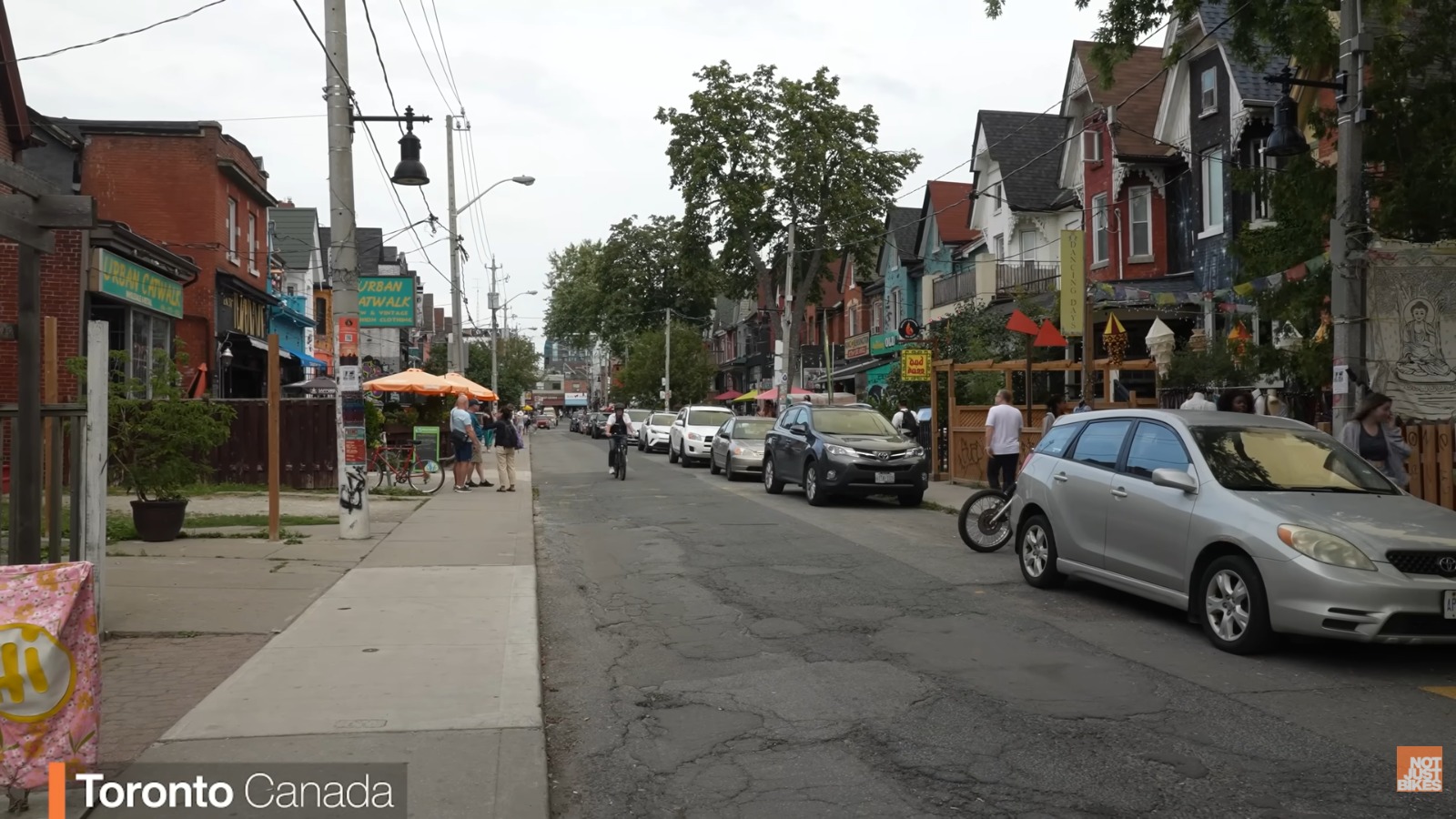

Cities are often defined by what people see first—iconic buildings, bustling streets, or cultural landmarks. Yet some of the most powerful elements shaping a city’s identity exist at ground level. Parks, plazas, walkable corridors, and thoughtfully designed green spaces influence how people experience a city every single day. Outdoor design doesn’t just enhance aesthetics; it creates connection, functionality, and a lasting sense of place.
As urban areas continue to grow, the importance of intentional outdoor planning becomes even more apparent. In cities like Nashville, where development and culture move side by side, landscape architecture firms in Nashville play a critical role in designing spaces that balance natural beauty with modern urban demands.
Outdoor Spaces as a Reflection of Community Values
Landscape architecture is about more than plants and pathways. It reflects how a city prioritizes sustainability, wellness, and community interaction. Well-designed outdoor environments invite people to slow down, gather, and engage with their surroundings. They support walkability, reduce environmental impact, and create accessible spaces for people of all ages.
When outdoor design is approached thoughtfully, it tells a story. Native plants, open lawns, shaded seating, and adaptive reuse of land all signal a city’s commitment to both its environment and its residents.
Nashville’s Blend of Growth and Green Design
Nashville’s rapid growth has brought new energy, businesses, and residents to the city. At the same time, preserving its natural character has become essential. Rolling hills, waterways, and established neighborhoods provide a unique backdrop that outdoor design must respect rather than replace.
Local landscape architects understand the region’s climate, terrain, and cultural rhythm. Their designs often blend contemporary functionality with natural elements that feel distinctly Southern and unmistakably Nashville. This balance helps ensure that new developments feel connected to the city’s roots instead of detached from them.
Why Landscape Architecture Matters in Modern Cities
As density increases, outdoor spaces become essential infrastructure rather than optional features. Green spaces help manage stormwater, reduce heat, and improve air quality while also offering social and psychological benefits. Cities that invest in landscape architecture tend to be more resilient, livable, and attractive to residents and visitors alike.
Public parks, commercial courtyards, and residential outdoor areas all contribute to how a city is perceived. These spaces shape first impressions and influence whether people feel comfortable, inspired, or connected when they arrive.
Designing the Future Through Outdoor Environments
A city’s identity is constantly evolving, and outdoor design plays a subtle but powerful role in guiding that evolution. Thoughtful landscapes support healthier lifestyles, foster community interaction, and protect natural resources while enhancing visual appeal.
Ultimately, outdoor spaces define how a city is lived in—not just how it looks. When designed with intention, they become landmarks in their own right, shaping memories and experiences that last far longer than any trend or development cycle.