
ADU Construction Redmond as a Family-Centered Housing Solution
ADU construction in Redmond often comes up in conversations the moment families start worrying about how to keep loved ones close without sacrificing independence.
I first saw this play out when a neighbor quietly converted their detached garage into a small living unit for an aging parent who no longer felt safe living alone.
Instead of moving across town or into assisted living, the parent stayed near family, routines, and familiar streets.
That experience showed how secondary living spaces can solve emotional and practical challenges at the same time.
Families today are navigating longer life expectancies, rising housing costs, and adult children who need temporary or long-term housing support.
A well-planned backyard or garage unit can respond to all three pressures at once.
For homeowners exploring options, this guide on ADU construction Redmond explains how existing structures can be transformed into functional living spaces without disrupting the main home.
The beauty of this approach is flexibility, because the space can evolve as family needs change over time.
Why Multi-Generational Living Is Becoming the Norm
Rising real estate prices have made it difficult for adult children to afford independent housing close to family.
At the same time, many seniors want to age in place while remaining connected to daily family life.
Multi-generational housing allows privacy without isolation, which is often the biggest concern voiced by parents and adult children alike.
I spoke with a homeowner who built a compact backyard unit for their college-graduate son while he saved for his own place.
The arrangement reduced financial stress and strengthened their relationship rather than straining it.
Separate entrances, soundproofing, and thoughtful layouts helped everyone feel comfortable and respected.
This model works equally well for parents who want autonomy but still need occasional support.
Designing an ADU That Works for Aging Parents
Safety and accessibility should guide every design decision when planning for seniors.
Single-level layouts reduce fall risk and make daily movement easier.
Wider doorways allow for mobility aids without making the space feel clinical.
Non-slip flooring, lever-style door handles, and walk-in showers add comfort without sacrificing style.
One homeowner shared how installing extra lighting along walkways made evening strolls safer for their parent.
These small design details often make the biggest difference in day-to-day living.
Natural light, good insulation, and quiet interiors contribute to emotional well-being, not just physical safety.
Supporting Adult Children Without Sacrificing Privacy
Adult children often want independence even when living close to family.
A detached or converted unit provides a sense of ownership over one’s own space.
Private kitchens and bathrooms help maintain boundaries that traditional shared housing lacks.
I’ve seen families avoid conflict simply because everyone had their own front door.
For young professionals or recent graduates, these spaces can function like a studio apartment with the added benefit of family support.
The arrangement can be temporary or long-term, depending on career paths and financial goals.
When designed well, these units feel like homes, not compromises.
Zoning, Permits, and Local Considerations
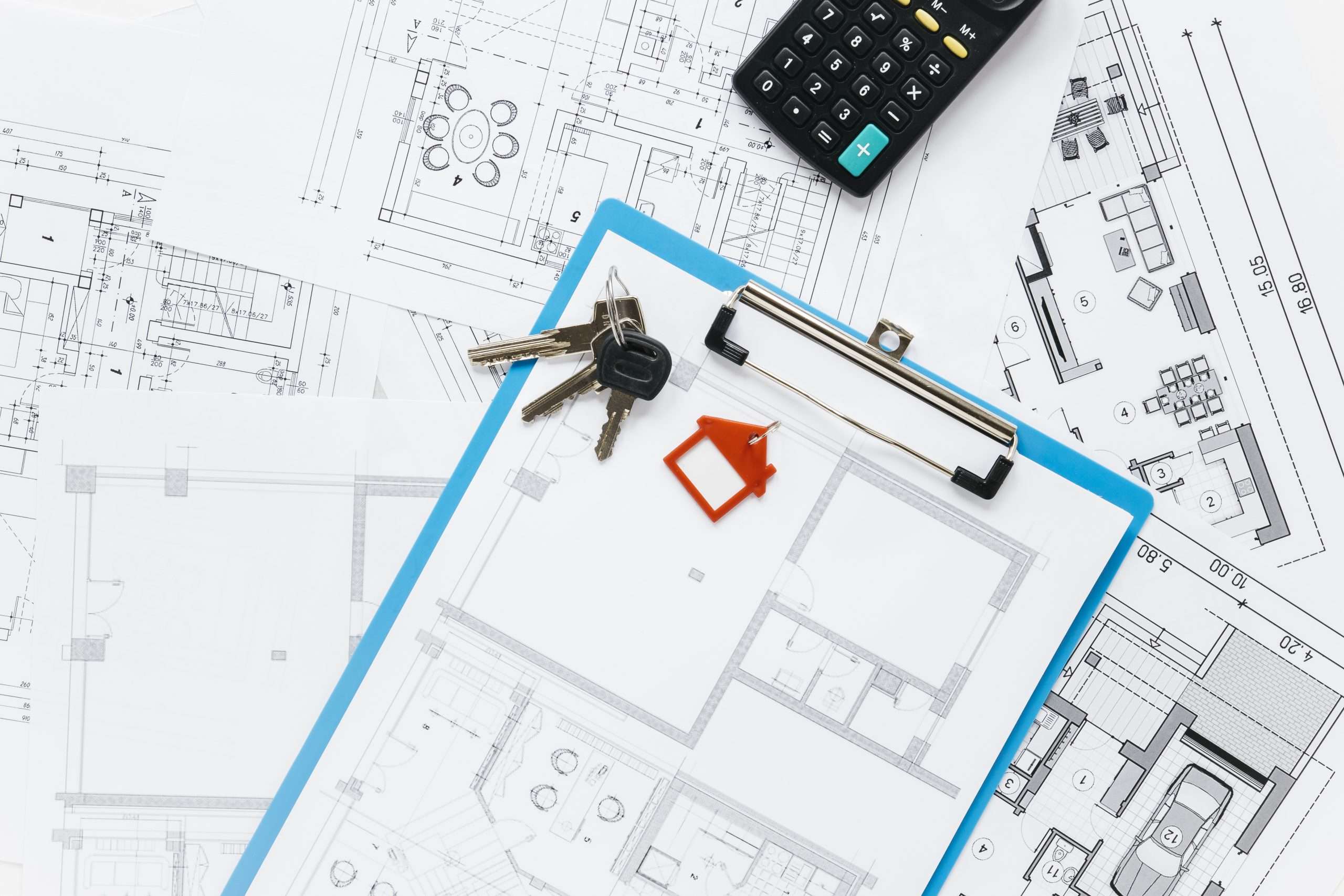
Understanding local zoning rules is a critical step before construction begins.
Lot size, setback requirements, and parking rules can influence what type of unit is allowed.
Homeowners often underestimate how much time the approval process can take.
Working with professionals familiar with local regulations can prevent costly redesigns later.
I’ve heard from residents who initially planned a detached unit but pivoted to a garage conversion after reviewing zoning constraints.
Flexibility during the planning phase often leads to smoother approvals.
Construction Choices That Add Long-Term Value
Quality materials matter when building secondary living spaces.
Durable finishes reduce maintenance costs over time.
Energy-efficient windows and insulation help control utility expenses for occupants.
Many homeowners choose neutral designs that can adapt to future uses, such as rentals or home offices.
One family repurposed their unit as a guest suite after their parent moved closer to siblings in another state.
The investment continued to deliver value long after its original purpose changed.
Emotional Benefits Beyond the Floor Plan
Living close to family can reduce loneliness for seniors and stress for adult children.
Shared meals become easier without sharing walls.
Grandparents can participate in daily family life while maintaining personal routines.
Adult children gain confidence knowing support is nearby without constant oversight.
These arrangements often strengthen family bonds rather than complicating them.
The emotional return on investment is something floor plans cannot fully capture.
Planning for the Future With Confidence
Secondary living units are not just a trend but a response to real-life family needs.
They offer adaptability in an uncertain housing market.
They allow families to care for loved ones without giving up independence or dignity.
Thoughtful planning ensures the space remains useful no matter how circumstances evolve.
For many families, this approach represents a practical and compassionate housing solution.
When done right, it supports independence, connection, and long-term peace of mind all at once.