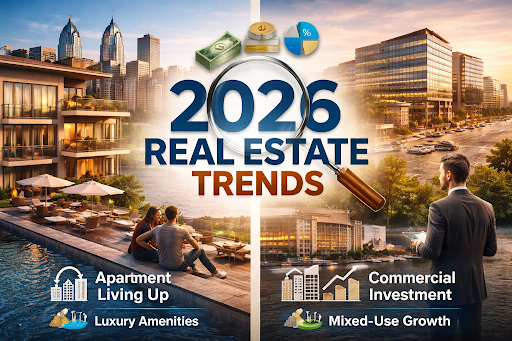

The real estate market in 2026 is evolving in ways that would have seemed unlikely just a decade ago. Homeownership is no longer the default goal for many Americans. Instead, renting has become a long term and intentional choice driven by financial considerations, lifestyle preferences, and changing work patterns.
This shift is not limited to one type of market. It is visible in established urban centers like Philadelphia as well as growing business hubs such as Oklahoma City. While these cities differ in structure and economic drivers, they both reflect a larger national trend. People are prioritizing flexibility and convenience, and investors are adjusting their strategies to match these behaviors.
According to the U.S. Census Bureau, the national homeownership rate remains around 65 percent. This means a significant portion of the population continues to rent, creating sustained demand that influences both housing development and commercial investment decisions.
The Growing Appeal of Apartment Living
In many cities, renting is no longer viewed as a temporary step before buying a home. It has become a practical and often preferred way of living. People want access to well located neighborhoods, modern amenities, and the ability to move without being tied down by long term financial commitments.
Philadelphia offers a clear example of how this trend is playing out. Neighborhoods such as Northern Liberties, Fishtown, and Center City have seen steady growth in rental demand. These areas attract professionals, families, and remote workers who value walkability and access to daily essentials.
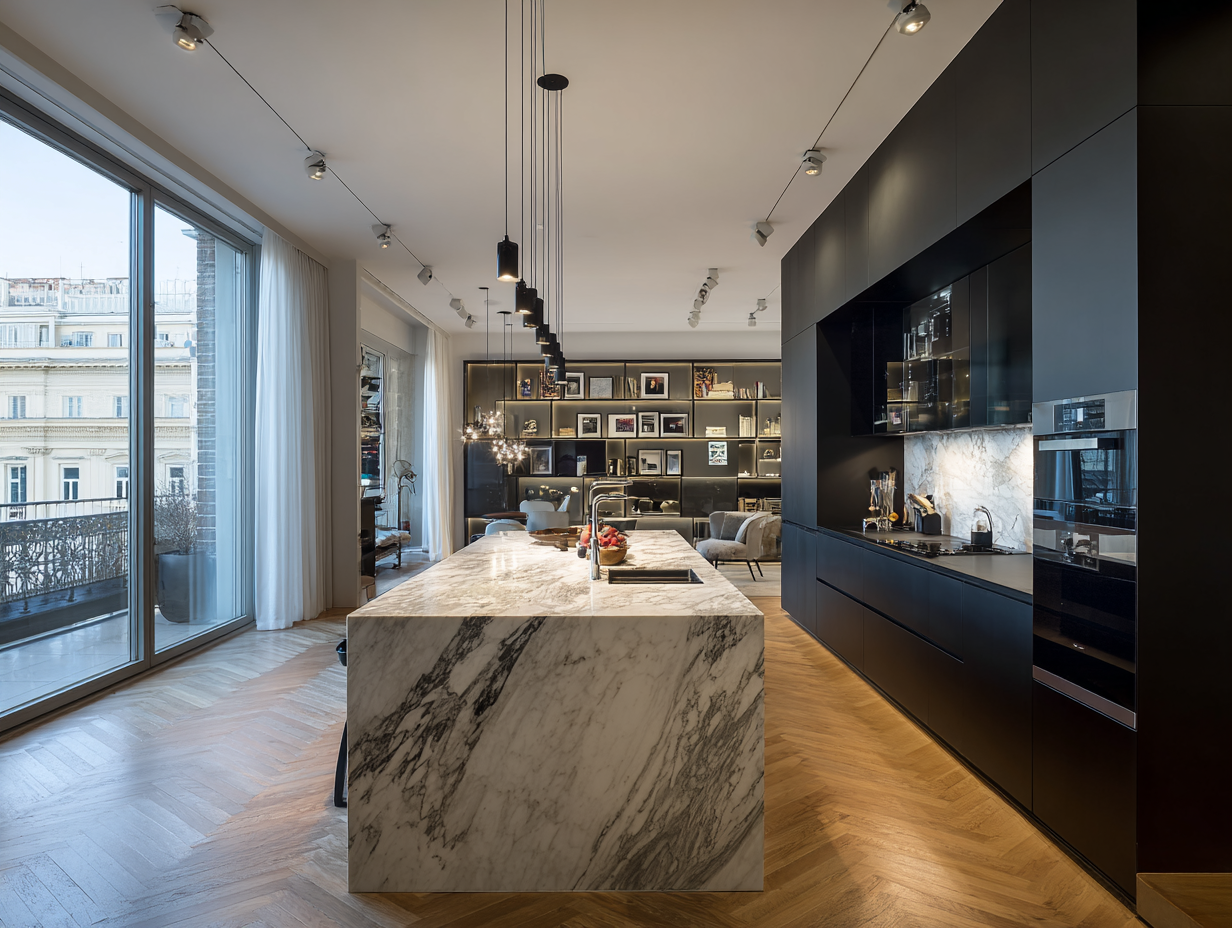
As a result, interest in luxury apartments in Philadelphia continues to rise. These apartments are designed with modern living in mind. Features such as fitness centers, shared workspaces, secure parking, and community areas are no longer considered extras. They are expected.
At the same time, many renters are looking for value along with quality. This has led to increased demand for affordable luxury apartments in Philadelphia, where residents can enjoy premium features without taking on the long term financial burden of ownership. This balance between cost and lifestyle is one of the main reasons renting continues to grow in popularity.
Why Renting Is Becoming a Smarter Financial Choice
The financial logic behind renting has also shifted. In the past, buying a home was often considered the better long term decision. However, in today’s market, the equation is more complex.
High interest rates, rising property taxes, maintenance costs, and large down payments have made homeownership less accessible for many people. Even for those who can afford to buy, the short term costs often outweigh the benefits.
Renting offers several advantages in this environment. It allows individuals to keep their savings liquid rather than locking them into property. It also provides predictability in monthly expenses and removes the burden of maintenance and repairs.
Another important factor is flexibility. In a job market where career opportunities can change quickly, the ability to relocate without selling a property is a major benefit. For many people, this flexibility is worth more than the potential long term gains of ownership.
How Renting Is Changing the Way Cities Develop
The rise in renting is not just affecting individuals. It is shaping how cities are planned and built. Developers are responding to demand by focusing more on multifamily housing and integrated communities.
Mixed use developments are becoming more common. These projects combine residential units with retail, dining, and office spaces, creating environments where people can live, work, and spend time without needing to travel far.
This approach reflects how modern residents want to experience city life. Convenience and accessibility are key priorities. As more people choose to rent, the demand for spaces that support this lifestyle continues to grow.
This broader shift highlights how residential and commercial real estate are becoming increasingly interconnected, a trend explored in detail in this analysis of From Leasing to Living: How Real Estate is Evolving Across Commercial and Residential Markets, which explains how changing living preferences are influencing development and investment strategies across both sectors.
The Connection Between Renting and Commercial Growth
The increase in rental demand has a direct impact on commercial real estate. When more people live in concentrated areas, businesses benefit from higher foot traffic and consistent customer flow.
Oklahoma City provides a strong example of this connection. The city has seen steady economic growth and population expansion, making it an attractive location for both residents and businesses. As residential areas develop, the need for retail spaces, offices, and service based businesses increases.
This growing demand has led to rising interest in commercial property for sale in OKC, especially in areas where new housing developments are taking shape. Investors are paying closer attention to how residential patterns influence commercial success.
The Increasing Importance of Property Management
As commercial activity grows, managing these properties effectively becomes more important. Property owners are no longer focused only on acquiring assets. They are also focused on maintaining performance and ensuring long term value.
This has increased the demand for commercial property management OKC, where professional oversight helps handle operations, tenant relationships, and maintenance. Well managed properties tend to perform better in terms of occupancy and revenue.
More broadly, strong commercial property management plays a critical role in the overall success of real estate investments. It ensures that properties remain competitive and aligned with market expectations.
What This Means for Investors and Renters
The relationship between renting and investment is becoming more interconnected. Residential demand influences where businesses operate, and commercial growth supports the development of residential communities.
For renters, this means more choices and better living environments. For investors, it highlights the importance of understanding how people live and what they value.
Successful strategies in 2026 are based on recognizing these patterns. Investors who pay attention to rental trends are better positioned to identify opportunities in both residential and commercial markets.
What Renting Trends Mean for Real Estate in 2026
The real estate market is no longer defined by a single path. Renting has become a central part of how people approach housing, and its impact extends far beyond apartments.
In cities like Philadelphia, strong rental demand is shaping the way people live and interact with their surroundings. In growing markets like Oklahoma City, these same trends are creating new opportunities for commercial development and investment.
The key takeaway is that real estate today is driven by behavior. Understanding how people choose to live, move, and spend their time is essential for making informed decisions.
Whether someone is looking for a place to live or evaluating investment opportunities, the ability to adapt to these changing trends will define success in 2026 and beyond.