Upgrading Your Home With a Concrete Driveway
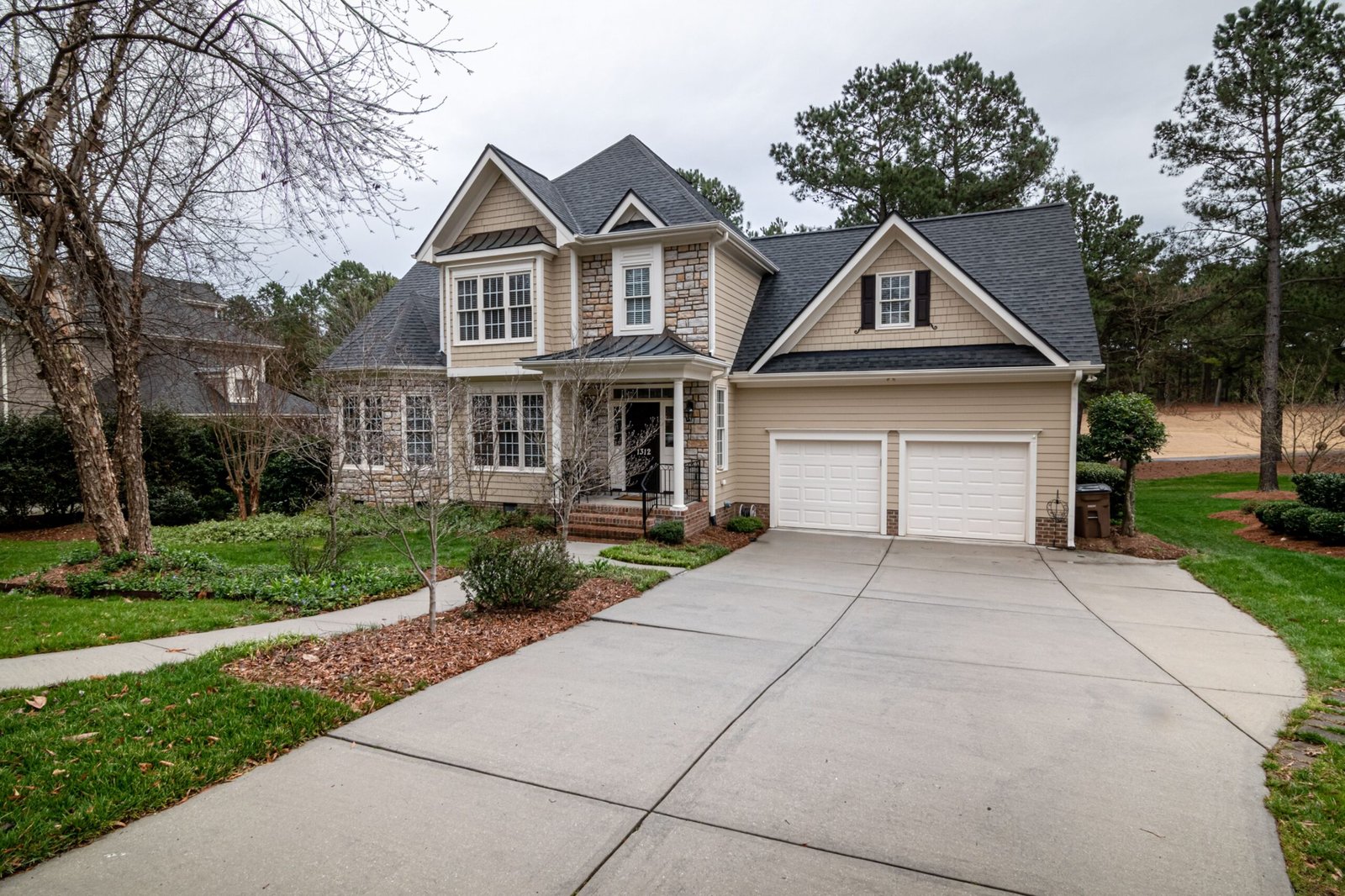
A driveway is often one of the largest paved areas on a residential property. Because it is used every day and is highly visible from the street, its condition can have a major impact on both convenience and curb appeal.
Older driveways may develop cracks, uneven sections, crumbling edges, or areas where water collects. While minor damage can sometimes be repaired, extensive deterioration may make replacement the more practical long-term solution.
A new concrete driveway creates a clean, solid surface for vehicles while giving the front of the property a more finished appearance. Homeowners can choose a traditional smooth or broom finish or consider decorative options depending on the style of the house.
Proper preparation is particularly important for driveways. The base beneath the concrete must be prepared correctly, and the slab needs an appropriate thickness and reinforcement for the expected loads. Drainage should also be considered so water moves away from the driveway and surrounding structures.
Adding or Replacing Concrete Sidewalks
Sidewalks and walkways make it easier to move safely around a property. A concrete walkway can connect a driveway to the front entrance, provide access to a backyard, or create a convenient path between different outdoor areas.
Damaged sidewalks can become more than an appearance problem. Raised or uneven sections may create tripping hazards, while severe cracking can allow additional water to reach the soil beneath the concrete.
Homeowners considering Indianapolis concrete services can use a new sidewalk project as an opportunity to improve both the functionality and overall appearance of their outdoor space. The dimensions and layout of the walkway can be planned around the property rather than simply replacing an existing path with an identical design.
Concrete sidewalks can also be designed with gentle curves or wider sections near entrances. These relatively small design decisions can make a walkway feel more integrated with the landscaping and architecture of the home.
Creating an Outdoor Concrete Patio
A concrete patio can transform an underused section of a backyard into functional outdoor living space. Patios provide a stable surface for outdoor furniture, grills, dining tables, fire features, and other backyard amenities.
Concrete is particularly versatile for patio construction because the size and shape can be customized. A homeowner might want a compact patio immediately outside a back door or a larger entertaining area extending farther into the yard.
Decorative finishes can provide additional design possibilities. Depending on the project, homeowners may consider stamped patterns, texture, borders, or other finishing techniques. Traditional concrete remains a popular choice for homeowners who prefer a simple and clean appearance.
Planning the slope of a patio is also important. Water should drain appropriately rather than collecting against the home’s foundation or forming puddles across the surface.
Concrete Steps and Entryways
Front steps and concrete entry areas experience constant exposure to foot traffic and changing weather conditions. Over time, cracking, settling, and surface deterioration can affect both their appearance and usability.
Replacing deteriorated concrete steps can give an entrance a cleaner appearance while addressing uneven or damaged surfaces. New steps should be carefully measured so the rise and depth remain comfortable and consistent.
Concrete can also be used to create larger entrance pads or landings. Combining new steps, a walkway, and an entrance area can create a more cohesive appearance than completing each project separately at different times.
Why Proper Concrete Installation Matters
Concrete may look straightforward, but the quality of the finished project depends heavily on preparation and installation. Excavation, base preparation, grading, forming, reinforcement, concrete placement, finishing, and curing all contribute to long-term performance.
Indiana’s changing seasons make these details especially important. Concrete surfaces are exposed to summer heat, winter cold, precipitation, and repeated freeze-thaw cycles. Proper construction practices can help a residential concrete project withstand these conditions.
Drainage is another major consideration. Water moving beneath or around concrete can contribute to soil movement and other problems. Contractors should evaluate the surrounding grade and determine how water will move after the project is completed.
Planning Your Next Residential Concrete Project
Before beginning a project, homeowners should consider how the new concrete will be used, the amount of space available, drainage requirements, and the desired appearance. It can also be helpful to consider future projects. For example, a new sidewalk could be positioned so it eventually connects with a planned backyard patio.
Whether the goal is replacing a deteriorated driveway, installing a new sidewalk, building a patio, or improving a home’s entrance, concrete offers a combination of strength, versatility, and long-term usefulness.
A well-planned residential concrete project does more than create a new surface. It can improve how homeowners use their property every day while creating a cleaner, more attractive exterior that complements the home for years to come.