
Winters in Alberta rarely pass without leaving their mark. Snow accumulates, wind seeps into weak spots, and freeze-thaw cycles put old materials to the test. By spring, many homeowners in Red Deer begin to notice the aftermath of the cold season. That’s when the roof ceases to be merely a background element and becomes something that warrants a thorough inspection.
Some Problems Show Up Later
Not all problems are immediately apparent. From the street, the roof may look perfectly fine, while minor defects are gradually developing underneath it. Over time, moisture can seep into the insulation, ventilation can deteriorate, or small cracks can widen.
Water stains on the ceiling are often a late sign of a problem. By that point, the issue may already be beyond a quick fix. That’s why many owners pay closer attention to this in the spring. Even if everything seems fine at first glance.
First Signs That Roof Needs Attention
Spring inspections usually start with the obvious. Some signs are easy to spot from the ground. Others first become apparent indoors, especially after rain or a warm spell.
Some of the things worth noting include:
- Missing or loose shingles.
- Dark stains near vents or edges.
- Gutters coming loose from the eaves.
- Signs of moisture in the attic.
- Drafts in the upper rooms.
- A sudden increase in heating costs.
A single issue doesn’t always indicate a serious problem. But when several of them appear at the same time, it might be time to take a closer look at your roofing in Red Deer before the next harsh season arrives.
Why More People Are Looking at Different Materials
For some properties, constant repairs cease to be cost-effective. Constantly replacing the same components can be frustrating, especially when weather conditions consistently cause such damage.
This is one of the reasons why materials with a longer service life are becoming increasingly popular. Metal surfaces are attracting more and more attention because they react differently to snow and require less frequent maintenance over time. In addition, they are less prone to cracking. In contrast, some older materials can crack after many years of seasonal stress.
Options such as metal roofing in Red Deer have proven to be a viable long-term solution. This is because homes here are constantly exposed to strong winds or heavy snowfall. And a more durable material helps avoid the need for annual roof repairs.
Repairing What You Can vs Starting Fresh
Not every rooftop needs to be completely replaced. In many cases, a damaged section can be repaired without affecting the rest of the structure. Minor repairs are usually appropriate when the problem is localized and the overall condition of the roof remains stable.
The situation changes when problems keep recurring. Often, the need for a more serious solution is indicated by:
- Frequent leaks;
- Constant patching and repairs;
- Materials that are reaching the end of their service life.
At this stage, continuing to rely on temporary measures may end up being more expensive than resolving the problem properly once and for all.
Spring Is Usually the Best Time to Act
Many people wait until a visible leak appears. By that time, work schedules are usually already full, and repair times get longer. In the spring, the situation is usually different. Crews start filling up with orders, but there’s still time to assess the situation before the summer downpours arrive.
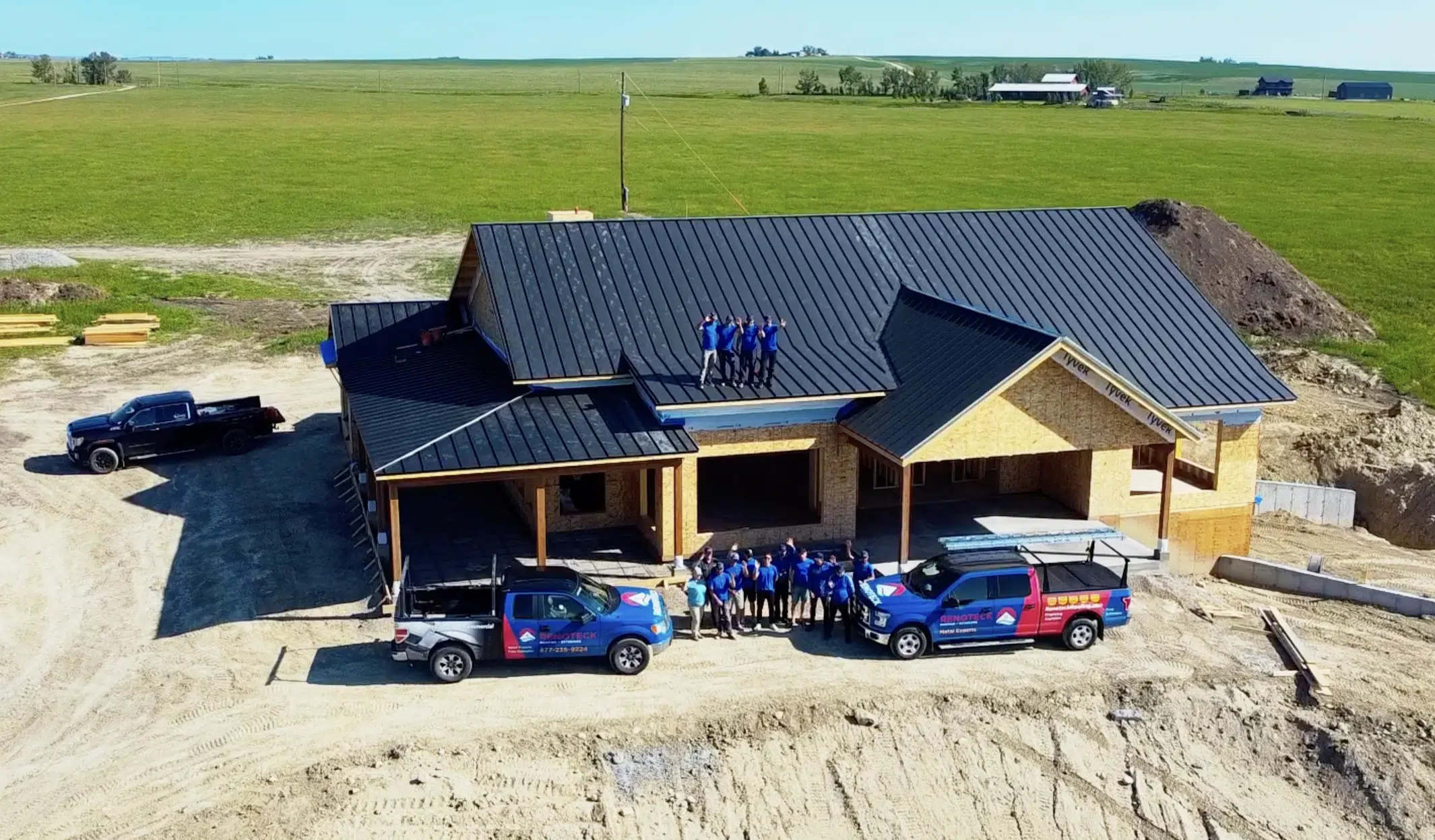
Acting early opens up more options. It gives you time to compare materials, plan your budget, and avoid making hasty decisions. As for those planning large-scale projects, companies like Renoteck Roofing typically receive more calls as the weather warms up, when problems that have built up over the winter begin to surface.
Small problems rarely stay small
Putting things off can feel easier when the damage doesn’t seem urgent. But roofing problems often become more expensive when they sit through another season.
A little spring maintenance can prevent interior damage, insulation issues, or unexpected expenses later in the year. The goal isn’t to replace things too soon. Rather, it’s to assess their actual condition before the weather decides for you.