How Commercial Siding Protects Structural Framing
Commercial buildings are designed to withstand years of environmental exposure, daily use, and changing weather conditions. One of the most important — yet often overlooked — components that protects these structures is commercial siding. While siding is often associated with aesthetics, its primary purpose is far more critical: protecting the building’s structural framing and internal components from damage.
Understanding how commercial siding functions as part of a building’s protective system helps property owners, facility managers, and developers make more informed decisions about long-term building maintenance and durability.
The Role of Siding in the Building Envelope
Commercial siding is a key element of the building envelope, which is the barrier that separates the interior of a building from the outside environment. This envelope includes roofing, siding, insulation, windows, and waterproofing systems that work together to regulate temperature, prevent moisture intrusion, and maintain structural integrity.
Siding acts as the first line of defense against weather conditions such as rain, wind, snow, and UV exposure. Without a properly installed siding system, moisture and debris can easily penetrate the outer wall structure, eventually reaching the framing that supports the building.
By covering and sealing the exterior wall assembly, commercial siding helps protect structural framing materials such as steel studs, wood framing, or concrete supports.
Preventing Moisture Damage
One of the biggest threats to structural framing is water infiltration. Rainwater that enters a building’s wall system can lead to long-term structural issues, including wood rot, corrosion of metal components, and deterioration of insulation materials.
Commercial siding systems are designed to shed water away from the building while working in conjunction with house wrap, flashing, and drainage systems. These layers allow moisture to drain or evaporate before it reaches structural components.
Over time, this moisture control is essential for maintaining the strength and stability of the building’s framework.
Shielding Framing from Wind and Impact
Commercial properties are frequently exposed to high winds, airborne debris, and other environmental stressors. Durable siding materials such as metal panels, fiber cement, or engineered composites help absorb and deflect these forces before they reach the wall structure beneath.
Without this protective barrier, repeated exposure to wind pressure and impact could compromise wall systems or weaken structural framing connections.
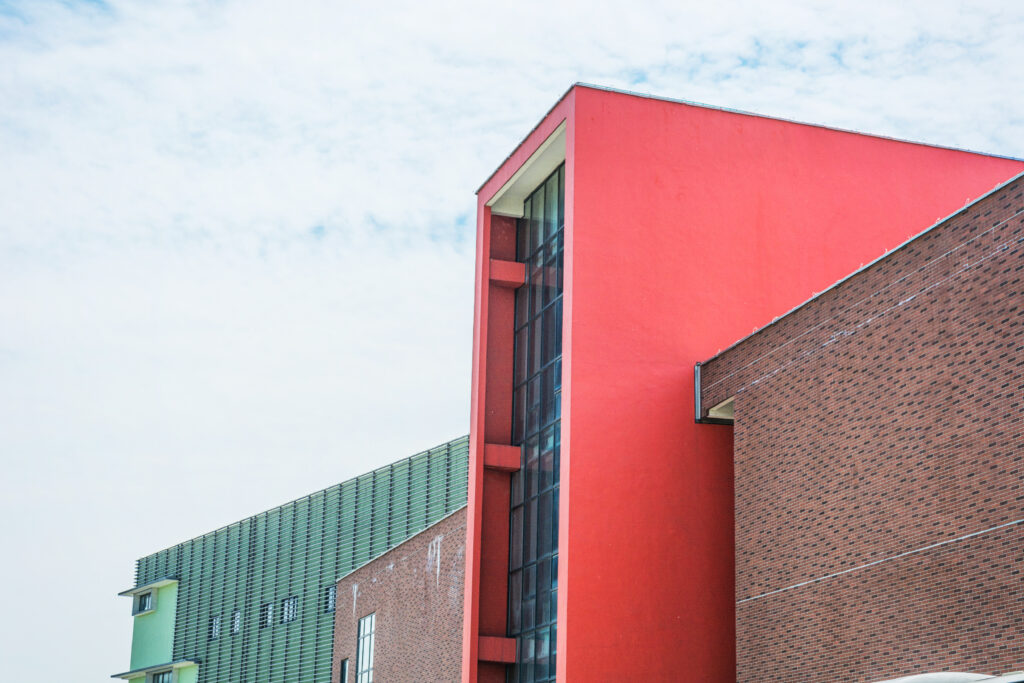
By distributing environmental stress across the outer cladding, commercial siding helps reduce strain on the building’s internal framework.
Improving Thermal Protection
Structural framing is also affected by temperature fluctuations. Extreme heat and cold can cause materials to expand and contract, potentially leading to long-term wear or structural fatigue.
Commercial siding systems often work alongside insulation and air barriers to regulate exterior temperature exposure. By helping stabilize the building’s internal climate, siding reduces the amount of thermal stress placed on framing materials.
This contributes to improved energy performance while also supporting the longevity of the building’s structural components.
Supporting Long-Term Building Durability
Commercial buildings are typically designed with decades of use in mind. Protecting the structural framing is essential for maintaining that lifespan, and commercial siding plays a major role in achieving this goal.
When siding systems are properly installed and maintained, they help prevent moisture intrusion, reduce environmental stress, and preserve the strength of the wall structure behind them. This protective layer ensures that the framing — the backbone of the building — remains secure and stable over time.
For property owners and building managers, understanding the protective function of commercial siding highlights why exterior wall systems are such a critical part of long-term building performance.