How To Keep Your Utilities Running During A Natural Disaster
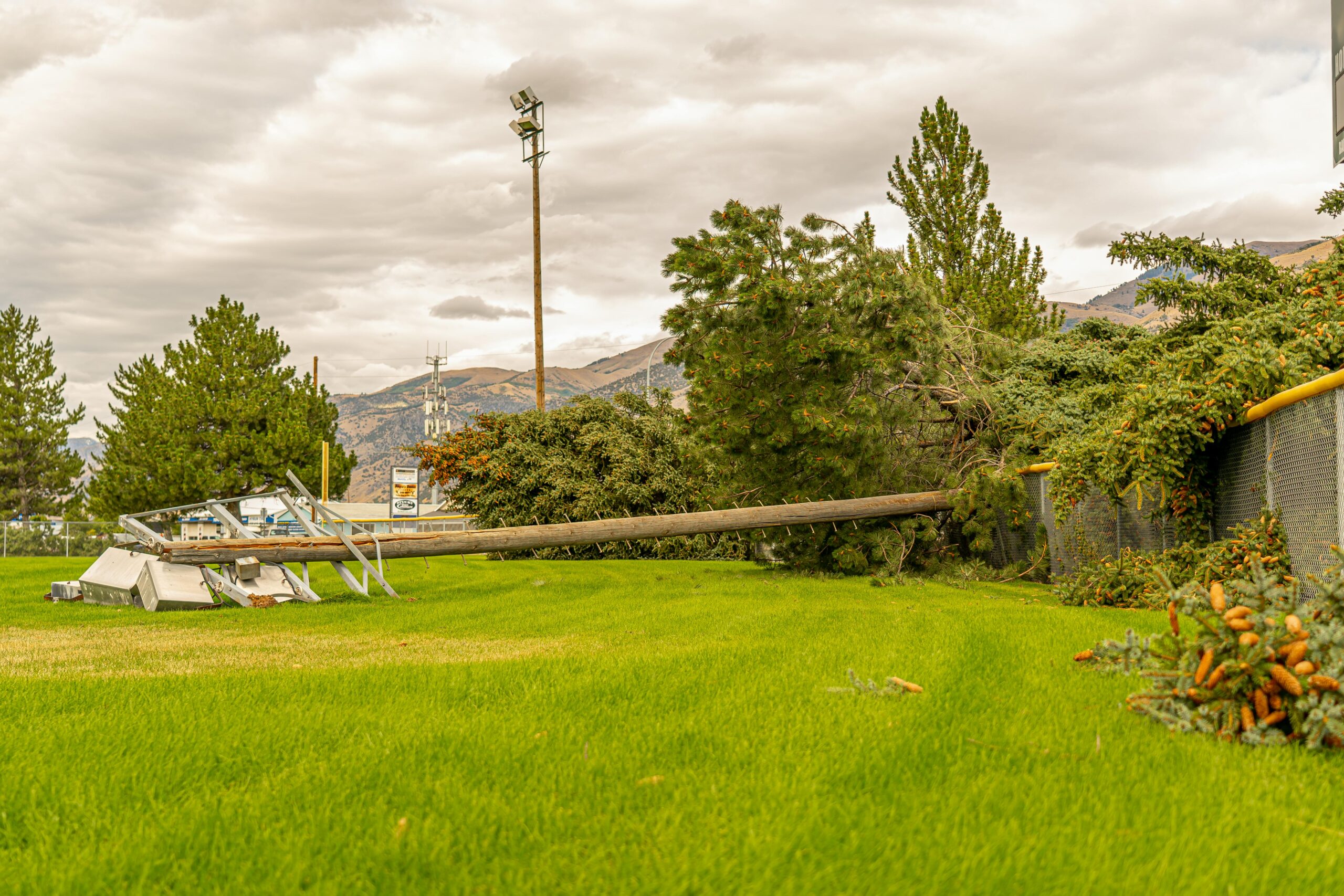
Storms, floods, wildfires, and earthquakes can all cause a lot of damage to local infrastructure. This can include major damage to power lines and pipes. Fortunately, there are ways to keep your water and electricity running even when utility lines are destroyed. Below are a few tips for keeping utilities running during a natural disaster.
Install an emergency water tank
An emergency water tank can provide a reserve that you can fall back on if mains pressure drops or lines are destroyed. Such tanks come in various sizes – a 55 gallon water tank should be enough to last a day without water, while 300-gallon water tanks will help you to last longer. In seismic zones, it could be important to strap down this tank. Keep it out of direct sunlight to also keep the water cool. Various methods can be used to purify and filter the water for household usage.
Consider a backup generator
If you can’t get any mains power, having a backup generator could be very handy. A portable generator should be able to power your home for a day, while standby generators can help you get through multi-day outages. Consider the fuel source and the tank size for a true idea of how long a generator will power your home. You will need to install a transfer switch with the help of a qualified electrician.
Invest in solar panels
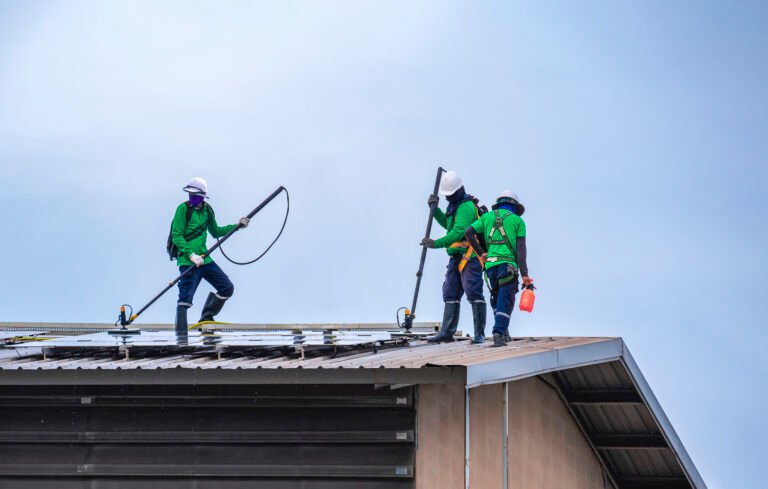
Solar panels can provide you with continuous off-grid power during an outage. The more powerful these solar panels and the more of them you have, the greater amount of power you will be able to provide to your home. It’s worth noting that storms can damage solar panels – exploring options like weather-resistant racking and surge protection can be important for protecting your solar panels and improving safety.
Be smart about conserving power and water
During potentially long outages, it could be important to take steps to conserve power and water. When trying to conserve water, take shallow baths and flush the toilet less often (use the ‘if it’s yellow let it mellow, if it’s brown flush it down’ rule!). When trying to reduce electricity usage, prioritize essentials like refrigeration, lighting, phone charging, water pumping, and medical devices – refrain from using power-hungry appliances like washing machines, dishwasher,s and tumble dryers, and resist using HVAC if you can.
Know how to turn off the mains utilities
There could be cases where leaving mains utilities switched on is unsafe – particularly if a natural disaster has caused major damage to your home. Shutting off water, gas, and electricity at the mains can prevent leaks from occurring or fires from starting as a result of damaged components. Make sure you know where your water shut-off valve, gas meter, and electricity main breaker are. In the case of gas, if there is a leak, you should evacuate the building after shutting off the gas, and then wait for a qualified plumber to turn on the gas once the leak has been fixed.