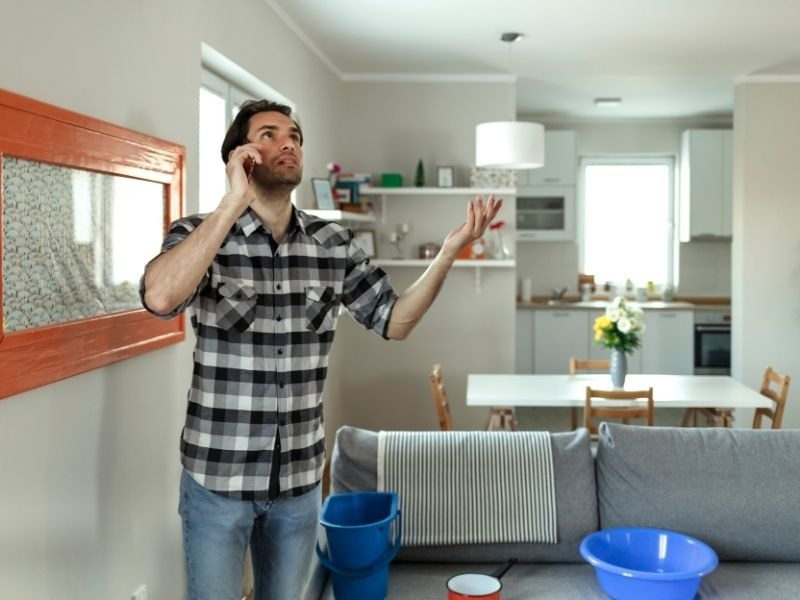

It’s 9 PM on a Saturday. You hear water running somewhere in your house, but all the faucets are off. Or maybe you’ve just discovered a puddle spreading across your basement floor. Or your toilet is overflowing and won’t stop.
Your first instinct might be to grab towels, contain what you can, and tell yourself you’ll call a plumber first thing Monday morning. After all, emergency service calls are expensive. Surely you can manage until business hours, right? Sometimes, yes. Many plumbing issues—annoying as they are—can absolutely wait for normal business hours without causing serious damage.
But some can’t. And the difference between the two can mean thousands of dollars in damage, health hazards for your family, or even structural problems that take months to repair. The tricky part? In the moment of discovery, it’s not always obvious which category your problem falls into. That uncertainty leads many homeowners to either panic and call for help they don’t urgently need, or downplay a serious situation until it becomes catastrophic.
Burst Pipes or Major Leaks
What it looks like: Water actively spraying or gushing from pipes, pooling water spreading rapidly across floors, visible water flowing from walls or ceilings, or the sound of rushing water inside walls or under floors.
Why it can’t wait: A burst pipe can release hundreds of gallons of water per hour into your home. Every minute that water flows, it’s soaking into flooring, drywall, insulation, and structural elements.
What to do right now:
- Locate your main water shutoff valve and turn off water to your entire house
- If you can identify the specific problem area, turn off the local shutoff valve for that fixture or appliance
- Move furniture and valuables away from affected areas
- Use towels or a wet vacuum to remove standing water if safe to do so
- Call for emergency plumbing service immediately—even if it’s 2 AM
The cost of waiting: A burst pipe fixed within a few hours might result in $500-$1,000 in plumbing repairs plus minor cleanup. The same pipe left leaking overnight can easily add $5,000-$15,000 in water damage restoration, flooring replacement, and mold remediation.
Sewage Backup
What it looks like: Wastewater backing up into toilets, tubs, or showers (especially on the lowest level of your home), multiple drains backing up simultaneously, gurgling sounds from drains when you use other fixtures, or foul sewage odors coming from drains.
Why it can’t wait: Sewage contains bacteria, viruses, and pathogens that pose immediate health risks. It contaminates everything it touches. Beyond the health hazard, sewage backup can continue to worsen, affecting more of your home the longer it’s left unaddressed. Unlike clean water from a supply line, sewage water requires specialized cleanup and disinfection. Materials exposed to sewage often cannot be adequately cleaned and must be replaced entirely.
What to do right now:
- Stop using all water in your home—every flush and drain adds to the backup
- Keep children and pets away from affected areas
- Don’t attempt to clean it yourself without proper protective equipment
- Open windows for ventilation if safe to do so
- Call for emergency service immediately
The cost of waiting: Sewage cleanup is already expensive due to the specialized handling required. A backup addressed within hours might cost $2,000-$4,000 for cleanup and repairs. Waiting until Monday could mean contaminated flooring, walls, and belongings requiring full replacement—easily $10,000-$25,000 or more.
No Water in Winter (Especially During Freezing Temperatures)
What it looks like: No water coming from any faucets during winter, unusually low water pressure throughout the house when temperatures are below freezing, or visible frost on exposed pipes.
Why it can’t wait: If you’ve lost water during freezing weather, you likely have a frozen pipe. Frozen pipes are ticking time bombs. As water freezes, it expands, creating enormous pressure inside the pipe. The pipe doesn’t usually burst while frozen—it bursts when it thaws and the ice dam releases, sending water gushing through the crack. If you wait until Monday to address frozen pipes, they’ll likely thaw naturally before then—and potentially burst while you’re at work or asleep, flooding your home with nobody there to shut off the water.
What to do right now:
- Don’t wait for pipes to thaw on their own
- Open cabinet doors under sinks to allow warm air to reach pipes
- Keep a small trickle of water running from faucets if you still have partial flow
- Never use open flames to thaw pipes
- Call for emergency service to safely thaw pipes before they burst
The cost of waiting: Professional pipe thawing typically costs $200-$500. A burst pipe plus water damage restoration? $3,000-$10,000 or more, depending on location and extent of flooding.
Water Heater Actively Leaking
What it looks like: Water pooling around the base of your water heater, water actively dripping or spraying from the tank or connections, or hissing or popping sounds coming from the unit.
Why it can’t wait: A failing water heater tank can hold 40-80 gallons of water. If the tank ruptures completely—which can happen without warning once leaking begins—all of that water floods into your home in minutes. Water heaters are often located in basements, utility closets, or garages where a sudden flood can damage furnaces, electrical panels, stored belongings, and finished living spaces.
What to do right now:
- Turn off the power to your water heater (breaker for electric units, gas valve for gas units)
- Turn off the water supply valve to the water heater
- Don’t attempt to drain a leaking tank yourself if it’s actively failing
- Place towels or containers to catch dripping water if minor
- Call for emergency service if water is actively pooling or spraying
The cost of waiting: Water heater replacement with installation typically costs $1,200-$2,500. Add several thousand dollars for flood damage if the tank fully ruptures. Companies like My Denver Plumber regularly respond to water heater emergencies where acting quickly prevented a contained leak from becoming a basement flood.
Gas Smell
What it looks like: Distinct sulfur or “rotten egg” smell near your water heater, gas appliances, or anywhere in your home, or hissing sounds near gas lines.
Why it can’t wait: Natural gas leaks are not just plumbing emergencies—they’re life safety emergencies. Gas leaks create immediate risk of fire, explosion, and toxic exposure.
What to do right now:
- Don’t turn any lights on or off
- Don’t use phones inside your home
- Don’t attempt to locate the leak yourself
- Get everyone out of the house immediately
- Once outside and at a safe distance, call 911 and your gas company’s